
If you love fashion, enjoy discovering designer brands, and have ever wondered whether your content could actually earn money, luxury affiliate marketing can be an exciting opportunity.
The Farfetch Affiliate Program is particularly interesting for fashion bloggers, influencers, publishers, YouTubers, Pinterest creators, TikTok creators, and website owners because it gives publishers a way to monetize content around designer clothing, shoes, handbags, accessories, beauty, and luxury lifestyle products.
Instead of creating your own fashion store, managing inventory, handling shipping, or dealing with customer service, you can focus on what you already do best: creating useful and inspiring content.
You recommend products.
A reader clicks your affiliate link.
They visit Farfetch.
If they make an eligible purchase, you can potentially earn a commission.
That simple model can become surprisingly powerful when combined with high-quality fashion content, search engine optimization, Pinterest traffic, social media, email marketing, and carefully selected product recommendations.
Of course, affiliate marketing is not a guaranteed way to make money. Commission rates, eligibility, cookie periods, promotional rules, geographic availability, and program terms can change. Therefore, publishers should always check the current terms of the affiliate network or Farfetch’s applicable affiliate program before publishing claims about exact commissions or requirements.
But the basic opportunity is compelling: luxury fashion has high purchase intent, visually appealing products, strong seasonal demand, and a huge amount of content potential.
This guide explains how the Farfetch Affiliate Program works, who can benefit from it, how to create content that generates clicks and sales, what types of fashion products to promote, how to optimize your affiliate strategy, and how to build a sustainable luxury fashion website around affiliate marketing.
What Is Farfetch?
Farfetch is a global luxury fashion marketplace that connects shoppers with luxury boutiques and fashion brands around the world.
Rather than operating like a traditional single-brand fashion retailer, Farfetch has built a marketplace model that provides shoppers with access to a broad selection of designer fashion.
That makes it particularly attractive from an affiliate marketing perspective.
A fashion creator doesn’t have to build an entire content strategy around one designer.
Instead, you can create content around categories, trends, occasions, styles, budgets, designers, seasons, and specific products.
For example, a fashion website could publish articles such as:
- Best Designer Handbags for Work
- Luxury Sneakers Worth Investing In
- Best Designer Gifts for Her
- Quiet Luxury Fashion Pieces to Buy
- Best Designer Shoes for Weddings
- Luxury Fashion Trends for Fall
- Best Designer Sunglasses for Summer
- How to Style a Designer Blazer
- Best Luxury Bags Under a Certain Budget
- Designer Wardrobe Essentials Every Woman Needs
- Best Men’s Luxury Watches and Accessories
- Luxury Streetwear Brands to Know
- Best Designer Gifts for Fashion Lovers
- How to Build a Capsule Wardrobe With Designer Pieces
These topics naturally lend themselves to affiliate links.
And that is where the real opportunity begins.
What Is the Farfetch Affiliate Program?
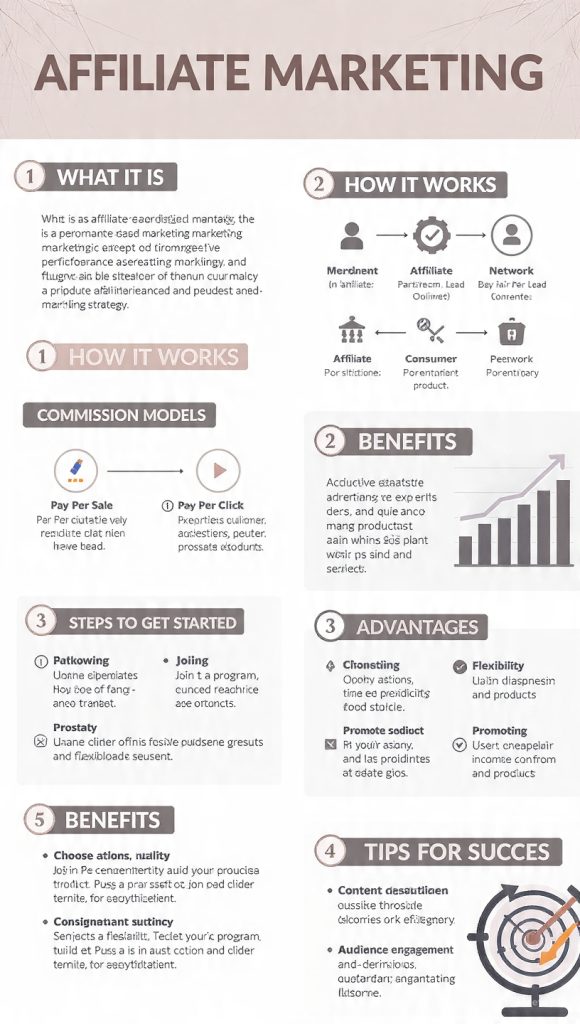
The Farfetch Affiliate Program allows eligible publishers and creators to promote Farfetch products using trackable affiliate links.
When someone clicks your affiliate link and completes an eligible transaction according to the program’s terms, the sale can be attributed to you and you may receive a commission.
The exact structure can depend on the affiliate network, market, publisher type, product category, and current program terms.
This is important because affiliate marketers sometimes see an old blog post mentioning a particular commission percentage and assume that percentage is still accurate.
That’s risky.
Affiliate rates can change.
The safest approach is to check the current Farfetch affiliate listing through the relevant affiliate network or publisher platform before quoting a specific commission rate in your content.
This also applies to:
- Cookie duration
- Eligible countries
- Payment thresholds
- Return periods
- Excluded products
- Voucher restrictions
- Commission validation
- Brand restrictions
- Promotional rules
- Attribution rules
Think of the affiliate program as the infrastructure behind your monetization strategy.
Your content creates the demand.
Your affiliate links provide the pathway.
The retailer handles the transaction.
Why Luxury Fashion Is Interesting for Affiliate Marketing
Luxury fashion has several characteristics that make it appealing to affiliate publishers.
One of the biggest is average order value.
A consumer buying a $30 accessory and a consumer buying a $1,500 designer bag are making very different purchases.
If the commission structure is percentage-based, a larger qualifying order can potentially generate more commission from a single transaction.
That doesn’t mean expensive products automatically convert better.
In fact, luxury purchases often require considerably more research.
A shopper may:
- Discover a product on Pinterest.
- Read a review.
- Search for styling ideas.
- Compare colors.
- Check sizing.
- Look at social media photos.
- Compare retailers.
- Finally make the purchase.
This creates an opportunity for content creators.
You don’t necessarily have to be the person who creates the first impression.
You can be the person who helps the shopper make the final decision.
The Difference Between Luxury Affiliate Marketing and Traditional Affiliate Marketing
Affiliate marketing is affiliate marketing at its core.
But the content strategy can be very different depending on the products you promote.
A site promoting inexpensive consumer products might focus heavily on:
- Price
- Discounts
- Features
- Deals
- Comparison tables
- Quick buying decisions
Luxury fashion content often needs more storytelling.
People aren’t always buying a designer handbag simply because it holds their belongings.
They’re buying:
- Design
- Heritage
- Craftsmanship
- Status
- Exclusivity
- Personal style
- Brand identity
- Experience
- Longevity
- Aesthetic appeal
That means luxury affiliate content should feel less like a catalog and more like helpful editorial advice.
Instead of writing:
“This bag is black and has a leather strap.”
You might explain:
“The structured silhouette makes this style particularly easy to incorporate into a polished work wardrobe, while the understated design works well with both tailored and casual outfits.”
The second approach helps the reader imagine owning the product.
That’s valuable.
Who Should Join the Farfetch Affiliate Program?
The program can be attractive to many types of publishers.
You don’t necessarily need to be a famous fashion influencer.
You could be:
Fashion Bloggers
Fashion blogs are one of the most obvious fits.
You can create:
- Outfit guides
- Designer reviews
- Trend reports
- Shopping guides
- Seasonal fashion content
- Brand comparisons
- Wardrobe guides
Fashion Influencers
Instagram, TikTok, YouTube, and other platforms can be excellent for visually demonstrating products.
A creator could show:
- How a handbag looks with different outfits
- Designer shoe styling
- Luxury capsule wardrobes
- Unboxing content
- Seasonal fashion hauls
- Designer accessories
- Outfit transformations
Pinterest Creators
Pinterest can be particularly interesting for fashion because users frequently search for visual inspiration.
Examples include:
- Luxury outfit ideas
- Designer bag outfits
- Parisian fashion
- Quiet luxury outfits
- Capsule wardrobe ideas
- Wedding guest outfits
- Luxury winter outfits
A Pinterest pin can lead someone to a blog article containing affiliate links.
YouTubers
Video creates opportunities for deeper product discussions.
For example:
“10 Designer Bags I’d Buy Again”
could include links to relevant products.
Fashion Websites
Established fashion publications and niche websites can potentially generate affiliate revenue through editorial shopping content.
Luxury Lifestyle Bloggers
You don’t have to focus exclusively on clothes.
Luxury content can include:
- Travel
- Accessories
- Beauty
- Gifts
- Watches
- Jewelry
- Home
- Lifestyle
The key is finding a natural relationship between your audience and the products.
How to Join the Farfetch Affiliate Program
The application process can vary depending on your country and the affiliate network currently managing the program.
Generally, the process involves finding the applicable Farfetch affiliate program through an affiliate network or publisher platform.
You may need to provide information such as:
- Your name
- Website
- Social media accounts
- Traffic information
- Content niche
- Promotional methods
- Audience information
- Geographic audience
- Marketing channels
After approval, you’ll typically gain access to affiliate tools available through the network.
These may include:
- Affiliate links
- Tracking tools
- Reporting
- Product links
- Promotional materials
- Campaign information
Step 1: Build Your Platform
If you’re completely new to affiliate marketing, don’t rush to apply before you have something to show.
A professional website with useful fashion content can make your application stronger.
Step 2: Create Relevant Content
Publish several quality articles before applying.
Your website should clearly demonstrate that you understand your audience.
Step 3: Apply Through the Appropriate Affiliate Platform
Search for the current Farfetch affiliate listing on the relevant affiliate network serving your market.
Step 4: Read the Terms
This is extremely important.
Understand what promotional methods are allowed.
Step 5: Generate Affiliate Links
Once approved, use the tools provided by the affiliate platform.
Step 6: Start Publishing
Add links naturally to relevant content.
Don’t turn every sentence into a sales pitch.
How Much Can You Earn With the Farfetch Affiliate Program?
This is one of the most common questions.
And the honest answer is:
It depends.
Your earnings depend on several factors.
Traffic
More qualified visitors generally create more opportunities for clicks and purchases.
Click-Through Rate
If 1,000 people read an article but only five click an affiliate link, your earning potential is very different from an article where 100 people click.
Conversion Rate
Not every click produces a sale.
Average Order Value
Luxury products can have higher order values than many ordinary consumer products.
Commission Rate
Your actual commission depends on the current program terms.
Attribution Rules
The program determines which purchases are credited to your affiliate account.
Audience Quality
1,000 highly targeted fashion shoppers can potentially be more valuable than 100,000 people who aren’t interested in buying luxury fashion.
A Simple Affiliate Revenue Example
Imagine you publish a luxury handbag article.
Suppose:
- 20,000 monthly visitors read your content
- 5% click an affiliate link
- 1,000 people reach the retailer
- 2% of those visitors make qualifying purchases
- 20 purchases are attributed to your content
Your revenue would depend on the value of those purchases and the current commission structure.
For example, if qualifying purchases averaged $800, the attributed sales would total:
20 × $800 = $16,000
Your commission would then be calculated according to the applicable affiliate rate and program rules.
This example is purely illustrative.
Actual results can be dramatically higher or lower.
The important lesson is that affiliate revenue comes from a combination of traffic × clicks × conversions × order value × commission rate.
The Most Important Rule: Don’t Chase Traffic Without Buying Intent
A fashion website can attract enormous traffic from topics that don’t generate much revenue.
For example:
“What Is Quiet Luxury?”
might generate lots of informational traffic.
But:
“Best Quiet Luxury Designer Bags to Buy”
is much closer to a purchasing decision.
That’s the difference between informational intent and commercial intent.
Both are valuable.
But affiliate marketers should deliberately build content around the entire customer journey.
The Four Types of Affiliate Content You Need
A successful Farfetch affiliate website shouldn’t publish only product reviews.
Instead, create four major types of content.
1. Informational Content
This attracts people who are learning.
Examples:
- What Is Quiet Luxury?
- What Makes a Designer Handbag Worth Buying?
- How to Care for Luxury Leather
- What Is Italian Leather?
- How Do Designer Sizes Work?
These articles introduce your website to new audiences.
2. Commercial Investigation Content
These visitors are considering a purchase.
Examples:
- Best Designer Handbags for Everyday Use
- Best Luxury Sneakers for Men
- Best Designer Shoes for Work
- Best Luxury Coats for Winter
- Best Designer Bags for Travel
These pages can be excellent affiliate opportunities.
3. Comparison Content
Comparison content helps consumers choose.
Examples:
- Tote Bag vs Shoulder Bag
- Structured vs Soft Designer Bags
- Gold vs Silver Luxury Accessories
- Minimalist vs Logo-Heavy Designer Bags
- Leather vs Canvas Designer Bags
Comparison articles can naturally contain affiliate recommendations.
4. Product-Specific Content
These articles target highly specific searches.
Examples:
- Designer Bag Review
- Designer Sneaker Review
- How to Style a Particular Handbag
- Best Colors for a Particular Bag Style
- Designer Shoe Size Guide
These pages can capture visitors closer to purchase.
The Best Farfetch Affiliate Content Ideas
If you’re building a new fashion website, content planning can feel overwhelming.
Start with categories.
Handbags
Handbags are one of the strongest content categories for luxury fashion.
Create articles such as:
- Best Designer Handbags for Everyday Use
- Best Luxury Crossbody Bags
- Best Designer Tote Bags
- Best Mini Designer Bags
- Best Shoulder Bags
- Best Luxury Work Bags
- Best Designer Bags for Travel
- Best Black Designer Bags
- Best Brown Designer Bags
- Best Neutral Designer Bags
- Best Designer Bags for Minimalists
- Best Luxury Bags for Weddings
Shoes
Shoes are another excellent category.
You could publish:
- Best Designer Sneakers
- Best Luxury Loafers
- Best Designer Boots
- Best Luxury Sandals
- Best Designer Heels
- Best Designer Flats
- Best Shoes for Business Casual
- Best Luxury Shoes for Travel
- Best Designer Shoes for Weddings
- Best Luxury Winter Boots
Clothing
Clothing gives you enormous content possibilities.
For example:
- Best Designer Blazers
- Best Luxury Coats
- Best Designer Dresses
- Best Luxury Knitwear
- Best Designer Jeans
- Best Luxury T-Shirts
- Best Designer Shirts
- Best Luxury Jackets
- Best Designer Evening Wear
Accessories
Don’t ignore accessories.
You can create content around:
- Sunglasses
- Belts
- Wallets
- Scarves
- Hats
- Jewelry
- Small leather goods
- Travel accessories
Accessories may also provide lower-priced entry points for readers who aren’t ready to purchase a major luxury item.
Luxury Gift Guides
Gift guides are particularly powerful because they capture seasonal buying intent.
Examples include:
Valentine’s Day
- Luxury Valentine’s Gifts for Her
- Designer Gifts for Your Girlfriend
- Luxury Gifts for Your Wife
Mother’s Day
- Designer Gifts for Fashion-Loving Moms
- Luxury Mother’s Day Gift Ideas
Christmas
- Luxury Christmas Gifts
- Designer Gifts for Men
- Luxury Gifts for Women
Birthdays
- Luxury Birthday Gifts
- Designer Gifts for Her
- Designer Gifts for Him
Weddings
- Luxury Wedding Gifts
- Designer Gifts for Brides
- Luxury Gifts for Newlyweds
Gift content is useful because the visitor is often already looking to spend money.
Seasonal Fashion Content
Fashion changes throughout the year.
That means your content calendar can be seasonal.
Spring
Focus on:
- Lightweight jackets
- Dresses
- Sneakers
- Spring bags
- Sunglasses
- Transitional clothing
Summer
Focus on:
- Sandals
- Sunglasses
- Linen
- Resort wear
- Summer dresses
- Lightweight bags
Fall
Focus on:
- Boots
- Coats
- Knitwear
- Leather jackets
- Layering
- Fall handbags
Winter
Focus on:
- Winter coats
- Boots
- Scarves
- Knitwear
- Luxury winter accessories
- Cold-weather fashion
Seasonal content can be refreshed annually.
How to Write Farfetch Affiliate Reviews
A weak affiliate review sounds like an advertisement.
A strong review sounds like advice from a knowledgeable friend.
Instead of simply listing features, answer questions the shopper actually has.
Discuss the Design
What makes the product visually distinctive?
Discuss the Materials
What materials are used?
Discuss Construction
Does the design appear structured, soft, lightweight, substantial, minimalist, or decorative?
Discuss Styling
What outfits work with it?
Discuss Practicality
Is it suitable for everyday use?
Discuss Size
What can realistically fit inside?
Discuss Audience
Who is this product best suited to?
Discuss Alternatives
Who might prefer another style?
Discuss Value
Is it an investment purchase?
You don’t need to tell readers that every product is wonderful.
Trust is more valuable than exaggerated praise.
Why Honest Affiliate Content Performs Better
Imagine you’re reading two reviews.
The first says:
“This is an amazing bag. You absolutely need it!”
The second says:
“The structured shape gives it a polished look, but that same structure may make it less appealing if you prefer soft, lightweight bags.”
Which one sounds more trustworthy?
The second.
It acknowledges a potential downside.
That’s exactly what shoppers want.
Your job isn’t to convince everyone to buy.
Your job is to help the right person decide whether the product is right for them.
How to Create High-Converting Product Roundups
A roundup article might look like:
15 Best Designer Handbags for Everyday Use
Then introduce your selection.
For each product, include:
Product Name
Best For
Why We Like It
Key Features
Potential Drawback
Styling Suggestions
Who Should Buy It
Affiliate Link
This structure is simple and useful.
Create “Best For” Categories
One of the easiest ways to improve affiliate content is to stop ranking products as if there is one universal winner.
Instead, give each product a specific role.
For example:
Best Overall
A versatile designer bag suitable for a wide range of outfits.
Best for Work
A structured bag with enough room for everyday essentials.
Best for Travel
A practical option designed for people who need more capacity.
Best Minimalist Option
A simple design without excessive branding.
Best Statement Piece
A bold option for readers who want fashion impact.
Best Small Bag
For evening events and lightweight everyday use.
This makes your article more useful.
Use Search Intent to Choose Keywords
SEO can be a powerful source of affiliate traffic.
But don’t simply target keywords with the highest search volume.
Look for keywords with commercial intent.
For example:
Informational
“what is a designer handbag”
Commercial
“best designer handbag”
Transactional
“buy designer handbag”
Product-specific
“designer handbag model”
Each represents a different stage of the buying journey.
Long-Tail Keywords Are Your Friend
You don’t need to rank for massive generic terms immediately.
Instead, target specific searches.
For example:
- Best designer handbags for work
- Best luxury bags for petite women
- Best designer bags for travel
- Best luxury sneakers for everyday wear
- Best designer shoes for wide feet
- Best luxury gifts for fashion lovers
- Best designer bags under $1,000
- Best minimalist designer handbags
- Best neutral luxury handbags
Long-tail searches may have lower volume, but they can be highly targeted.
Pinterest for Farfetch Affiliate Marketing
Pinterest deserves special attention for fashion publishers.
It’s highly visual.
And fashion is highly visual.
That combination can work beautifully.
Create pins around topics such as:
- Luxury outfit inspiration
- Designer handbag outfits
- Quiet luxury fashion
- Luxury capsule wardrobe
- Designer shoe styling
- Elegant winter outfits
- Luxury travel outfits
- Designer accessories
- Minimalist fashion
Instead of linking every pin directly to a retailer, consider sending Pinterest traffic to your own useful article.
That allows you to:
- Build your website audience.
- Capture search traffic.
- Provide detailed recommendations.
- Place affiliate links naturally.
- Build an email list.
Your website becomes the central asset.
Instagram and Farfetch Affiliate Content
Instagram is ideal for visual storytelling.
You could create:
- Outfit reels
- Styling tutorials
- Designer comparisons
- Bag collections
- Fashion mood boards
- Seasonal styling guides
- “Three ways to wear it” videos
For example:
Three Ways to Style a Designer Blazer
Look 1: Office
Look 2: Weekend
Look 3: Evening
Then direct viewers toward a detailed article containing relevant affiliate links.
TikTok and Luxury Fashion
TikTok can generate enormous attention when content is entertaining.
Possible content ideas include:
- Designer fashion mistakes
- Luxury fashion tips
- Bag styling
- “Worth it?” discussions
- Luxury fashion trends
- Designer comparisons
- Capsule wardrobe challenges
- Fashion transformations
The important thing is not to make every video feel like an advertisement.
Entertainment comes first.
Monetization follows.
YouTube for High-Value Fashion Content
YouTube gives you more time to explain products.
Consider videos such as:
- Best Designer Bags for Everyday Use
- Luxury Fashion Starter Guide
- My Favorite Designer Accessories
- How to Build a Luxury Capsule Wardrobe
- Designer Shoes Worth Considering
- Luxury Fashion Gift Guide
Long-form video can build trust because viewers spend more time with you.
Build an Email List
An email list can turn one-time visitors into repeat visitors.
You might offer a free resource such as:
The Luxury Capsule Wardrobe Checklist
Or:
The Ultimate Designer Handbag Buying Guide
Then send subscribers:
- New product discoveries
- Seasonal fashion guides
- Designer trend reports
- Gift guides
- Styling ideas
- Shopping roundups
The goal isn’t to bombard subscribers with links.
It’s to become a trusted fashion resource.
Don’t Rely Only on Affiliate Links
This is a very important principle.
Affiliate marketing should be part of your business model—not necessarily the entire business.
Over time, you could diversify into:
- Display advertising
- Sponsored content
- Brand partnerships
- Digital products
- Fashion consultations
- Newsletter sponsorships
- YouTube revenue
- Pinterest traffic
- Your own products
- Membership content
Diversification protects your business if one affiliate program changes its terms.
The Importance of Affiliate Disclosure
If you earn commissions from affiliate links, you should clearly disclose that relationship.
Your disclosure should be:
- Easy to understand
- Visible
- Honest
- Consistent with applicable laws and platform policies
A simple disclosure might explain that some links are affiliate links and that you may earn a commission if a reader makes a qualifying purchase.
Don’t hide it in tiny text at the bottom of the page.
Transparency helps build trust.
Common Farfetch Affiliate Marketing Mistakes
Mistake #1: Focusing Only on Expensive Products
Luxury doesn’t mean every product has to cost thousands of dollars.
Readers have different budgets.
Include a mixture of:
- Accessories
- Shoes
- Bags
- Clothing
- Entry-level luxury
- Premium items
- Investment pieces
Mistake #2: Writing Thin Articles
A 400-word article saying:
“Here are five great designer bags. Click here to buy.”
is unlikely to provide much value.
Give readers something useful.
Discuss:
- Styling
- Materials
- Fit
- Practicality
- Pros
- Cons
- Alternatives
- Buying considerations
Mistake #3: Copying Product Descriptions
Don’t simply copy retailer descriptions.
Search engines and readers benefit more from original commentary.
Add your own:
- Analysis
- Organization
- Comparisons
- Styling advice
- Buying recommendations
Mistake #4: Too Many Affiliate Links
More links don’t automatically mean more revenue.
Too many links can make your article feel spammy.
Use links where they genuinely help.
Mistake #5: Ignoring Mobile Users
Luxury shoppers frequently browse on smartphones.
Your website should have:
- Fast loading times
- Easy navigation
- Readable fonts
- Mobile-friendly images
- Clear buttons
- Simple affiliate links
A beautiful desktop site that is difficult to use on mobile can lose valuable conversions.
Mistake #6: Not Updating Old Content
Fashion changes.
Products sell out.
Prices change.
Links stop working.
Trends evolve.
Update your best articles regularly.
Check:
- Broken links
- Product availability
- Outdated descriptions
- Old images
- Seasonal information
- Current affiliate links
- Rankings
- Product recommendations
Mistake #7: Making Unrealistic Income Claims
Affiliate marketing isn’t guaranteed income.
Avoid telling your audience that they can easily make thousands of dollars.
Instead, explain the process honestly.
Trust is an asset.
Protect it.
How to Build a Farfetch Affiliate Website From Scratch
Let’s imagine you’re starting from zero.
Month 1: Build the Foundation
Choose a focused niche.
Instead of:
“Fashion”
consider:
“Luxury fashion for professional women.”
Or:
“Affordable entry-level luxury fashion.”
Or:
“Designer handbags and accessories.”
Create:
- Home page
- About page
- Contact page
- Privacy policy
- Affiliate disclosure
- Essential legal pages
Then publish your first 10–15 useful articles.
Month 2: Expand Your Content
Start creating topic clusters.
For example:
Main Topic
Designer Handbags
Supporting Topics
- Best designer handbags
- Best designer work bags
- Best crossbody bags
- Best luxury travel bags
- Designer handbag styling
- Designer handbag care
- Designer handbag buying guide
This creates topical depth.
Month 3: Start Building Traffic
Focus on:
- SEO
- TikTok
- YouTube
- Email marketing
You don’t need to master everything at once.
Choose one or two channels and become good at them.
Month 4 and Beyond: Improve What Works
Look at your analytics.
Which articles receive traffic?
Which articles receive clicks?
Which products get attention?
Which topics generate affiliate sales?
Then create more content around your winners.
This is where affiliate marketing becomes a data-driven business rather than a guessing game.
A Simple Farfetch Affiliate Funnel
Here’s a useful way to visualize the process:
Pinterest / Google / Social Media
↓
Fashion Article
↓
Helpful Product Recommendations
↓
Affiliate Click
↓
Farfetch Product Page
↓
Purchase
↓
Commission
But there is another important layer:
Email subscriber
↓
Future content
↓
Repeated visits
↓
More opportunities to purchase
That’s why building your own audience matters.
Create Content Around Problems, Not Just Products
This is one of the best affiliate marketing strategies.
Don’t ask:
“What products can I promote?”
Ask:
“What fashion problems does my audience have?”
For example:
Problem
“I need a sophisticated work bag.”
Content
Best Designer Work Bags for Professionals
Products
Several suitable bags
Affiliate Opportunity
Links to relevant products
Another:
Problem
“I need a wedding guest outfit.”
Content
Luxury Wedding Guest Outfit Ideas
Products
Designer dresses, shoes, bags, and accessories
Affiliate Opportunity
Multiple relevant recommendations
This approach feels much more natural.
Use Storytelling in Luxury Fashion Content
Luxury is emotional.
Tell stories.
Instead of:
“This is a leather handbag.”
Talk about how the design fits into a lifestyle.
For example:
Imagine someone getting ready for an important meeting.
They choose a structured handbag, a tailored blazer, elegant shoes, and understated jewelry.
The handbag isn’t just an object.
It’s part of the entire outfit.
This kind of storytelling helps readers visualize the product.
Create “Investment Piece” Content
Luxury shoppers often think about purchases differently.
They may ask:
- Will I still love this next year?
- Can I wear it frequently?
- Is the design timeless?
- Does it work with multiple outfits?
- Is the material durable?
- Is the color versatile?
- Is it worth the price?
Create content that answers these questions.
Examples:
- Luxury Pieces Worth Investing In
- Designer Bags You’ll Wear for Years
- Timeless Luxury Fashion Essentials
- Designer Shoes That Work Beyond One Season
Budget-Based Content Can Work Extremely Well
Not every shopper has the same budget.
Create multiple price ranges where appropriate.
Examples:
- Best Designer Accessories Under $250
- Luxury Fashion Finds Under $500
- Designer Bags Under $1,000
- Luxury Gifts Under $1,500
- Investment-Worthy Designer Pieces
Always verify current pricing before publishing exact price claims because retail prices can change.
Create Comparison Tables
Comparison tables can make affiliate articles easier to use.
A useful table might include:
| Product | Best For | Style | Size | Price Category |
|---|---|---|---|---|
| Product A | Work | Structured | Large | $$$ |
| Product B | Everyday | Casual | Medium | $$ |
| Product C | Evening | Elegant | Small | $$$$ |
Don’t overload the table.
Its purpose is to help readers quickly narrow down choices.
How to Improve Affiliate Click-Through Rates
Your affiliate links should be obvious but not aggressive.
Instead of:
Buy Now!!!
use natural calls to action such as:
- View the Designer
- See Current Availability
- Explore the Collection
- Check the Latest Price
- View Details
- Shop the Style
- See Available Colors
The best CTA depends on the context.
Use Product Images Carefully
Fashion is visual.
Good imagery can significantly improve engagement.
Use images you have the legal right to use, and follow the affiliate program’s rules regarding product images, logos, and promotional assets.
Don’t simply download random images from Google Images.
Copyright matters.
Create a Luxury Fashion Editorial Style
If you’re building a serious fashion website, presentation matters.
Use:
- Clean typography
- High-quality photography
- Generous whitespace
- Elegant layouts
- Consistent colors
- Strong headlines
- Useful captions
- Clear navigation
Your site should feel like a fashion publication rather than a collection of affiliate links.
SEO Strategy for a Farfetch Affiliate Website
A basic SEO strategy can include:
Keyword Research
Find what your audience searches for.
Search Intent
Understand why they’re searching.
Topic Clusters
Build authority around specific categories.
Internal Linking
Connect related articles.
Helpful Content
Answer questions better than competing pages.
Technical SEO
Improve:
- Speed
- Mobile usability
- Indexing
- Site architecture
Image SEO
Use descriptive filenames and appropriate alt text.
Internal Linking Example
Suppose you have an article:
Best Designer Handbags for Work
Inside it, you could link to:
- Best Black Designer Bags
- Best Luxury Tote Bags
- How to Choose a Work Bag
- Designer Bag Care Guide
- Best Luxury Accessories for the Office
Those articles can link back to the main guide.
This creates a connected content ecosystem.
Use Google Discover and Social Trends Carefully
Fashion is trend-driven.
A trend can suddenly create enormous interest.
But trends can also disappear quickly.
A good strategy is to combine:
Evergreen content
with
Trend content
Evergreen:
Best Designer Handbags for Work
Trend:
The Designer Handbag Trend Everyone Is Talking About
Evergreen content builds long-term traffic.
Trend content can create spikes.
You want both.
Build a Personal Brand Around Your Recommendations
People don’t necessarily follow websites.
They follow people.
If you become known for a specific fashion perspective, your recommendations become more valuable.
For example:
“I help busy professionals find elegant designer fashion that works in real life.”
That’s much stronger than:
“We sell fashion links.”
Your personality becomes part of the brand.
Trust Is Your Biggest Affiliate Asset
A reader who trusts you can become a repeat visitor.
Someone who thinks you’re simply trying to make a commission may leave.
So be transparent.
Say when something isn’t ideal.
Mention alternatives.
Explain who should avoid a product.
Discuss price realistically.
And never recommend something solely because it pays more.
What Makes Luxury Affiliate Content Different?
Luxury fashion content should feel aspirational without becoming unrealistic.
You can celebrate beautiful products while acknowledging that they are discretionary purchases.
That balance makes your content feel mature and credible.
A warm editorial tone works especially well.
Instead of:
“You need this!”
try:
“If you’re looking for a timeless statement piece that can move easily from daytime to evening, this style is worth considering.”
That feels sophisticated.
Can Beginners Make Money With Farfetch Affiliate Marketing?
Yes, beginners can potentially build an affiliate business around luxury fashion.
But beginners should understand that affiliate marketing usually takes time.
You may publish your first article and receive almost no visitors.
That’s normal.
You may publish 20 articles and still see limited results.
That’s also normal.
Then one article might suddenly begin ranking.
Traffic increases.
Your other articles receive internal-link traffic.
Pinterest starts generating visitors.
A social post performs well.
Your email list grows.
Eventually, multiple traffic sources can work together.
Affiliate income often becomes more interesting when you stop expecting one article to make everything happen.
A Practical Beginner Strategy
If you are completely new, start with one category.
For example:
Designer Handbags
Then create 30 articles around that category.
Your content might include:
- Best Designer Handbags
- Best Designer Work Bags
- Best Luxury Crossbody Bags
- Best Designer Tote Bags
- Best Black Designer Bags
- Best Brown Designer Bags
- Best Neutral Designer Bags
- Best Designer Bags for Travel
- Best Mini Designer Bags
- Best Designer Bags for Weddings
- How to Choose a Designer Handbag
- How to Care for Luxury Leather
- Designer Handbag Mistakes to Avoid
- Structured vs Soft Handbags
- Tote vs Shoulder Bags
- Best Luxury Bags for Minimalists
- Best Designer Bags for Professionals
- Best Luxury Gifts for Women
- Designer Bag Trends
- Timeless Designer Bag Styles
- Luxury Handbags Worth Considering
- Best Entry-Level Designer Bags
- Designer Bags for Everyday Use
- Best Designer Bags for Evening Events
- How to Style a Designer Bag
- Best Luxury Bags for Summer
- Best Luxury Bags for Winter
- Designer Handbag Buying Guide
- Designer Handbag Size Guide
- Luxury Handbag Gift Guide
Now you have a complete topical ecosystem.
The Power of Content Clusters
One strong article can support dozens of smaller articles.
Imagine your main page is:
The Ultimate Guide to Designer Handbags
From that page, link to:
- Best Designer Handbags
- Best Work Bags
- Best Crossbody Bags
- Best Tote Bags
- Best Evening Bags
- Best Travel Bags
- Designer Bag Care
- Designer Bag Trends
Those pages link back to the main guide.
This structure can help search engines understand your website’s topical focus.
How to Scale Your Affiliate Business
Once you’ve found a strategy that works, scale carefully.
You could expand from:
Handbags
to:
Shoes
Then:
Clothing
Then:
Accessories
Then:
Gifts
Eventually, you might have a full luxury fashion publication.
But don’t expand too quickly.
Depth is often more valuable than randomness.
Track the Right Metrics
Don’t only look at page views.
Track:
- Organic traffic
- Pinterest traffic
- Social traffic
- Affiliate clicks
- Click-through rate
- Conversion rate
- Revenue
- Revenue per visitor
- Top-performing pages
- Top-performing products
A page with 2,000 visitors and strong conversion can be more valuable than one with 20,000 visitors and no affiliate clicks.
Test Different Content Formats
You don’t know what your audience prefers until you test.
Try:
- Reviews
- Roundups
- Comparisons
- Buying guides
- Gift guides
- Outfit guides
- Trend articles
- Lists
- Videos
- Pinterest posts
Then analyze the results.
Don’t Forget Returning Visitors
A good affiliate website isn’t built entirely around Google.
Build something people want to visit again.
Create:
- Weekly fashion roundups
- Seasonal guides
- New-arrival discussions
- Designer spotlights
- Trend reports
- Gift guides
- Style inspiration
Your goal is to become a destination.
Ethical Affiliate Marketing
Affiliate marketing works best when everyone benefits.
The retailer gets a customer.
The affiliate earns a commission.
The reader gets useful information.
That’s a healthy relationship.
But if the reader is manipulated into buying something unsuitable, the model breaks down.
That’s why ethical recommendations matter.
Farfetch Affiliate Marketing: Pros and Cons
Potential Advantages
Luxury Product Selection
A broad selection of designer fashion gives publishers plenty of content opportunities.
High-Value Products
Luxury products can produce meaningful commissions when qualifying purchases are made.
Strong Visual Appeal
Fashion is naturally suited to:
- TikTok
- YouTube
Many Content Angles
You can create:
- Reviews
- Guides
- Comparisons
- Gift guides
- Trend reports
Global Audience Potential
Luxury fashion has international appeal.
Potential Disadvantages
Competition
Fashion is a competitive niche.
Changing Inventory
Products can sell out.
Changing Prices
Retail prices and promotions can change.
Program Changes
Affiliate rates and rules can change.
Luxury Purchases Require Trust
Consumers may take longer to make expensive purchases.
Returns Can Affect Commissions
Affiliate programs generally have validation rules, and returned or cancelled orders may not generate commissions.
Is the Farfetch Affiliate Program Worth It?
For the right publisher, it can be an attractive affiliate opportunity.
It’s particularly worth exploring if you already create content around:
- Luxury fashion
- Designer handbags
- Shoes
- Clothing
- Accessories
- Luxury gifts
- Fashion trends
- Premium lifestyle products
The strongest opportunity isn’t simply placing affiliate links on a website.
It’s building a useful fashion media brand around those products.
Final Thoughts
The Farfetch Affiliate Program offers an interesting path for creators who want to combine their passion for fashion with affiliate marketing.
You don’t need to own a boutique.
You don’t need to manufacture clothing.
You don’t need to store inventory.
You don’t need to package orders.
Your role is different.
You become the trusted guide between the shopper and the product.
You help someone discover a beautiful handbag.
You explain whether a designer shoe is practical.
You show how to style a particular piece.
You compare different options.
You create a gift guide.
You help someone build a capsule wardrobe.
And when your recommendation leads to an eligible purchase, you can potentially earn a commission.
The key is to think beyond the affiliate link.
The link isn’t the business. The audience is the business.
Your content builds the audience.
Your expertise builds trust.
Your SEO brings new visitors.
Pinterest and social media expand your reach.
Email brings people back.
And affiliate partnerships provide one way to monetize that attention.
If you’re just getting started, don’t worry about creating the biggest luxury fashion website on the internet.
Start small.
Choose one category.
Create genuinely helpful content.
Learn what your audience wants.
Improve your articles.
Build your traffic.
Track your clicks.
Understand your conversions.
And gradually expand.
Luxury fashion may look glamorous from the outside, but successful affiliate marketing is built on something much simpler:
helping the right person find the right product at the right moment.
Do that consistently, honestly, and thoughtfully, and the Farfetch Affiliate Program can become a valuable part of a broader fashion-content business.
And perhaps the most exciting part is that you don’t have to start with thousands of followers.
You can start with one useful article.
One helpful recommendation.
One reader.
One click.
One sale.
Then build from there.

Previous Post
Next Post