

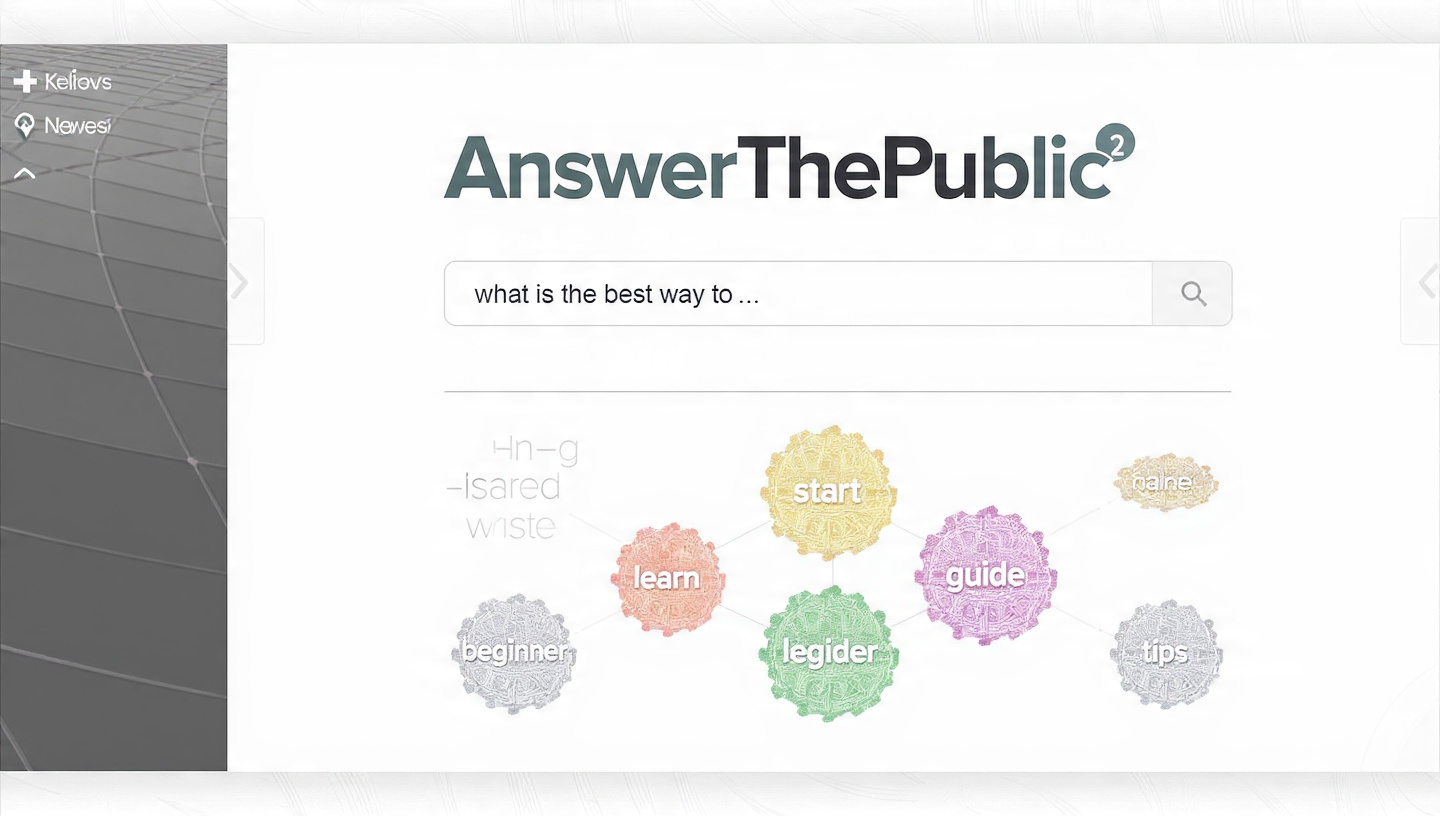
Generating a mountain of blog post ideas doesn’t have to be a painful, hours-long process of brainstorming. With the right tool, you can move from a blank page to a content plan filled with dozens of relevant topics in just a few minutes. AnswerThePublic is that tool, and this guide will show you exactly how to use it to find over 100 blog post ideas in 5 minutes .
Here is your fast-track guide to turning search data into a non-stop stream of content inspiration.
🎯 What is AnswerThePublic?
Think of AnswerThePublic as a search-listening tool. It taps into the autocomplete data from search engines like Google and Bing, as well as platforms like YouTube, Amazon, TikTok, and Instagram . When users start typing a query, these platforms suggest common searches. AnswerThePublic collects these suggestions and organizes them into a visual map of questions and phrases, giving you a direct window into what your audience is genuinely curious about .
🚀 Your 5-Minute Idea Generation Workflow
Ready for a burst of inspiration? Follow these five simple steps.
Step 1: Enter Your Seed Keyword (30 Seconds)
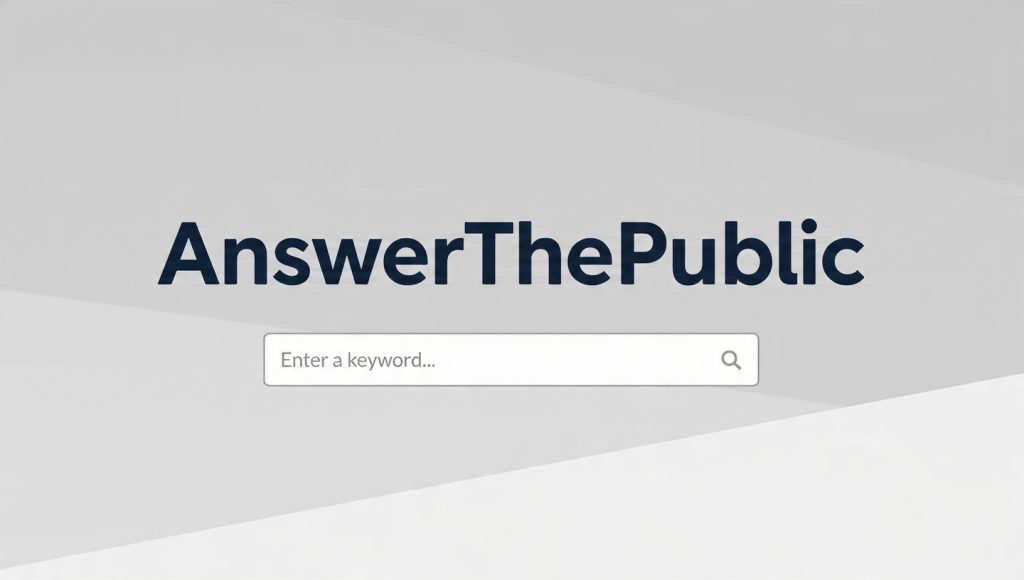
Go to answerthepublic.com and enter a broad, core keyword related to your niche. Keep it to 1-2 words for the best results (e.g., “content marketing,” “running shoes,” “keto diet”) . A broader term gives the tool more room to find a wide variety of associated questions and topics .
Step 2: Configure Your Search (30 Seconds)
Select your target language and location to ensure the data is relevant to your audience . Then, click “Search.” The tool will take a few moments to gather and process the data.
Step 3: Explore the Visual Map (1 Minute)
Once the results load, you’ll see an interactive wheel. This is your idea goldmine. The wheel organizes searches into key categories :
- Questions: Phrases starting with Who, What, When, Where, Why, How (e.g., “how to start content marketing,” “what are running shoes made of”).
- Prepositions: Your keyword combined with words like for, with, without, near (e.g., “keto diet for beginners,” “running shoes with arch support”).
- Comparisons: Your keyword compared to others with vs, and, or (e.g., “content marketing vs digital marketing,” “keto diet vs paleo”).
- Alphabetical & Numerical: Related searches organized from A to Z and by numbers (e.g., “best content marketing books,” “7-day keto diet plan”).
Step 4: Harvest Your Ideas (2 Minutes)
This is where you collect your ideas. You can view the data as a list, which is often easier for quick scanning. Quickly skim through the categories and pick out the questions and phrases that resonate with your brand or offer a unique angle. For our 5-minute goal, aim to quickly identify and copy 20-30 promising phrases.
Step 5: Cluster and Create (1 Minute)
Now, take your list of raw ideas and group similar ones into potential blog post themes. This process instantly multiplies your ideas. For instance, for a fitness blog, you might cluster ideas like this:
| Cluster Theme | Raw Ideas from AnswerThePublic | Resulting Blog Post Titles |
|---|---|---|
| Beginner’s Guide to Keto | “what is a keto diet,” “keto diet for beginners,” “how to start keto diet,” “keto diet rules” | The Ultimate Beginner’s Guide to the Keto Diet: Rules, Tips, and How to Start |
| Keto vs. Other Diets | “keto vs paleo,” “keto vs intermittent fasting,” “keto vs low carb,” “is keto or paleo better” | Keto vs. Paleo vs. Intermittent Fasting: Which Diet is Right for You? |
| Keto Diet Pitfalls & FAQs | “keto diet side effects,” “can you eat fruit on keto,” “keto diet constipation,” “why keto diet is bad” | 5 Common Keto Diet Pitfalls and How to Avoid Them |
By clustering just 12 raw ideas, you’ve already generated 3 solid blog post concepts. Scale this up with your 20-30 harvested ideas, and you’ll easily have a list of 10-15 blog posts, which translates to over 100 content angles when you consider the sub-points for each article.
💡 Pro Tips for Power Users
Once you’ve mastered the basics, use these tips to get even more value from the tool.
- Prioritize with Data: On paid plans, use the search volume and CPC (Cost Per Click) data to identify which topics have the highest demand and commercial potential . Focus on topics that are both popular and relevant to your business goals.
- Export for Strategy: Export your results to a CSV file. This allows you to sort, filter, and organize ideas in a spreadsheet, connecting them to your specific products, services, or content pillars .
- Check Trends Over Time: Search for your core keyword every few months. User interests and search behavior change (e.g., around holidays or with new trends), and repeating your research ensures your content stays fresh and relevant .
- Explore Multiple Platforms: Don’t just stick to Google. Use the platform filters to see what people are asking on YouTube, Amazon, or TikTok for video ideas, product content, or social media trends .
✍️ From Idea to Published Post
An idea is only the beginning. The real magic happens when you turn these insights into valuable content.
- Answer the Question Directly: Use a question from your list as your blog post title or H2 heading. Start your post by giving a clear, direct answer, then expand with helpful details, steps, or examples .
- Optimize Naturally: Incorporate the key phrases you found into your title, headings, meta description, and image alt text to help search engines understand your content .
- Weave in Your Offering: Naturally connect the content back to your product or service. For example, a post about “how to clean white running shoes” on a shoe store blog can end with a link to your shoe cleaning kit or a related product .
AnswerThePublic transforms the daunting task of content ideation into a quick, data-driven process. By following this 5-minute workflow, you’ll never stare at a blank page again.
Once you’ve tried this method, which category of questions (e.g., “How,” “Why,” “Vs.”) did you find most useful for your niche? I can help you brainstorm ways to turn those specific types into engaging content.
 Previous Post
 Next Post