

+92 331 566-8243
info@goodbloggingtools.com

Best Affiliate Marketing Websites for Niche Bloggers (Travel, Tech, Fashion)

travel-tech-fashion

Affiliate marketing can be one of the most enjoyable ways to monetize a blog because it allows you to make money by doing something you are probably already doing: helping people make better buying decisions.

A travel blogger can recommend a hotel, travel backpack, eSIM, tour, or luggage brand. A technology blogger can compare laptops, headphones, software, cameras, or accessories. A fashion blogger can share favorite dresses, shoes, handbags, jewelry, beauty products, and seasonal outfits.

When a reader clicks your special affiliate link and makes a qualifying purchase, you may receive a commission.

Simple, right?

Well, the concept is simple. Building a profitable affiliate website takes a little more thought.

The biggest mistake many new bloggers make is joining dozens of affiliate programs simply because they see impressive commission percentages. They place links everywhere, write generic product roundups, and wait for the money to arrive.

Usually, it doesn’t work that way.

The best affiliate marketing websites are built around audience intent, trust, useful content, and excellent product matching.

A travel reader searching for “best hotels in Paris for families” is different from someone searching for “best carry-on luggage for international travel.” A technology reader searching for “best laptop for graphic design” has a different buying intent from someone searching for “how much RAM do I need?” And a fashion reader searching for “best linen dresses for summer” is different from someone searching for “how to style wide-leg jeans.”

Your job as a niche blogger is to understand those differences and choose affiliate programs that fit naturally into the content your audience already wants.

This guide explores some of the best affiliate marketing websites, networks, and programs for travel, technology, and fashion bloggers, along with practical strategies for choosing programs, creating content that converts, increasing affiliate revenue, and building a sustainable blog business.

Affiliate disclosure: Affiliate marketing involves earning a commission when readers make qualifying purchases through your links. Always disclose affiliate relationships clearly and conspicuously. The U.S. Federal Trade Commission recommends placing disclosures close to the recommendation or affiliate link rather than hiding them on a separate legal or “About” page.


Table of Contents

  1. What Is Affiliate Marketing?
  2. Why Niche Bloggers Have an Advantage
  3. What Makes an Affiliate Website “Good”?
  4. Best Affiliate Websites for Travel Bloggers
  5. Best Affiliate Websites for Technology Bloggers
  6. Best Affiliate Websites for Fashion Bloggers
  7. Best Affiliate Networks for Multiple Niches
  8. Direct Affiliate Programs vs. Affiliate Networks
  9. How to Choose the Right Affiliate Program
  10. How Much Can Niche Bloggers Earn?
  11. Affiliate Content That Actually Converts
  12. Best Blog Post Types for Affiliate Marketing
  13. Travel Affiliate Content Strategy
  14. Tech Affiliate Content Strategy
  15. Fashion Affiliate Content Strategy
  16. How to Place Affiliate Links Naturally
  17. SEO Strategies for Affiliate Blogs
  18. Pinterest and Social Media for Affiliate Traffic
  19. Email Marketing and Affiliate Revenue
  20. Tracking Affiliate Performance
  21. Common Affiliate Marketing Mistakes
  22. How to Build Trust With Readers
  23. Affiliate Disclosure and Compliance
  24. A Beginner-Friendly Affiliate Marketing Plan
  25. A 90-Day Affiliate Blogging Strategy
  26. How to Scale From One Niche to Multiple Income Streams
  27. Frequently Asked Questions
  28. Final Thoughts

What Is Affiliate Marketing?

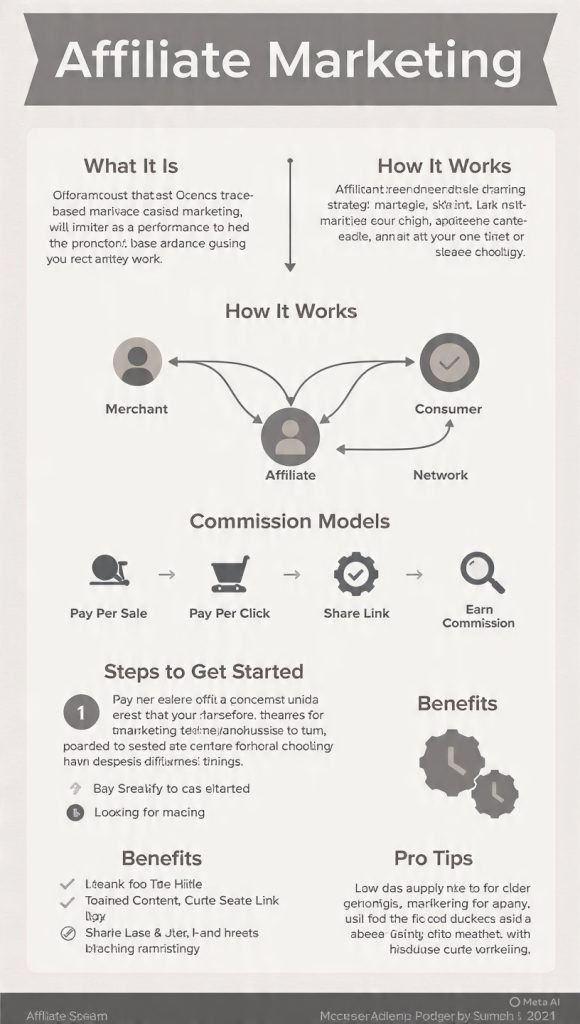
Affiliate marketing is a performance-based marketing model.

You publish content that recommends a product or service. You use a unique tracking link supplied by an affiliate program. If someone clicks that link and completes a qualifying action, you may earn a commission.

For example, imagine you run a travel blog.

You publish:

“10 Best Hotels in Rome for First-Time Visitors.”

You discuss each hotel, explain who it is best for, mention the location, describe important amenities, and provide a booking link.

A reader clicks your affiliate link, books a qualifying stay, and you receive a commission according to the program’s terms.

The same concept works for technology:

“Best Laptops for Freelancers in 2026.”

You compare several laptops and link readers to retailers.

Or fashion:

“15 Capsule Wardrobe Essentials That Make Getting Dressed Easier.”

You recommend clothing, shoes, accessories, and other products.

The important thing is that affiliate marketing works best when the affiliate link is part of a genuinely useful recommendation.

You are not simply selling.

You are helping.

And that distinction matters enormously.


Why Niche Bloggers Have an Advantage

Large websites often have enormous amounts of traffic, but smaller niche blogs have something incredibly valuable:

specificity.

A general website might write:

Best travel products.

A niche travel blogger can write:

Best lightweight travel backpacks for women traveling through Europe for three weeks.

The second article is much more specific.

It answers a particular question for a particular person.

That makes it easier to create useful content and, in many cases, easier to attract readers with strong purchase intent.

The same principle applies to every niche.

Instead of:

Best laptops

try:

Best laptops for online teachers under $800

Instead of:

Best dresses

try:

Best modest summer dresses for wedding guests

Instead of:

Best hotels

try:

Best family-friendly hotels near Disneyland

Specificity creates relevance.

Relevance creates trust.

And trust can create conversions.


What Makes an Affiliate Website Good?

There are thousands of affiliate programs online.

That doesn’t mean they are all equally valuable for your blog.

A strong affiliate program generally has several characteristics.

1. Products Your Audience Actually Wants

This is the most important factor.

If your readers aren’t interested in the product, a 30% commission won’t help.

A 2% commission on a product people genuinely want can sometimes generate more revenue than a 30% commission on something nobody buys.


2. A Trusted Brand

Readers are more comfortable clicking through to recognizable companies.

Trust matters especially when you’re recommending expensive products.

A reader may be comfortable purchasing a $20 travel accessory from an unfamiliar retailer.

They may hesitate to spend $2,000 on a laptop from an unknown website.


3. Good Product Selection

A strong affiliate partner should give you enough products to create useful content.

Amazon is an obvious example because its Associates program gives publishers access to millions of products and linking tools. Amazon says its Associates program is designed for content creators, publishers, and bloggers and can provide commissions on qualifying purchases.


4. Reliable Tracking

Your affiliate dashboard should make it possible to see:

  • clicks
  • conversions
  • sales
  • commissions
  • conversion rates
  • earnings
  • top-performing links

Without tracking, you’re essentially guessing.


5. Useful Promotional Tools

The best affiliate platforms often provide tools such as:

  • deep links
  • banners
  • product feeds
  • APIs
  • tracking reports
  • widgets
  • campaign management
  • coupon tools
  • product catalogs

For example, eBay Partner Network provides tools, reporting, campaign resources, and link-building functionality for partners.


Best Affiliate Websites for Travel Bloggers

Travel is one of the most natural affiliate marketing niches.

People spend significant amounts of money on travel.

They need:

  • accommodation
  • flights
  • tours
  • travel insurance
  • luggage
  • clothing
  • electronics
  • cameras
  • eSIMs
  • transportation
  • travel accessories
  • booking services

That means a single travel article can potentially contain several useful affiliate opportunities.

Let’s look at some of the strongest options.


1. Booking.com Affiliate Program

Booking.com Affiliate Program

Booking.com is one of the most obvious affiliate opportunities for travel bloggers.

Its affiliate offering covers accommodation and other travel-related products, and Booking.com says affiliates can promote more than 28 million accommodations as well as transportation and attractions across more than 60,000 locations.

That breadth makes it particularly useful for destination bloggers.

You could create content such as:

  • Best hotels in Dubai
  • Where to stay in Istanbul
  • Best family hotels in London
  • Best beachfront hotels in Bali
  • Best hotels near major attractions
  • Where to stay in Paris for couples
  • Best budget hotels in Bangkok

The key is not simply dropping a Booking.com link into every article.

Instead, help readers choose.

Explain neighborhoods.

Compare price ranges.

Discuss transportation.

Mention who each hotel is best for.

Then provide the booking option.

That creates a much more natural affiliate experience.


2. GetYourGuide

GetYourGuide is particularly interesting for travel bloggers who write about things to do, rather than only accommodation.

Imagine publishing:

“25 Best Things to Do in Rome.”

You can discuss:

  • Colosseum tours
  • Vatican experiences
  • food tours
  • walking tours
  • day trips
  • museum tickets
  • boat trips
  • local experiences

This creates natural opportunities to recommend activities.

This type of content can be powerful because travelers often research experiences immediately before or during a trip.


3. Viator

Viator is another useful option for travel bloggers focused on tours and activities.

It can fit beautifully into content such as:

  • Best things to do in New York
  • Best Paris tours
  • Best day trips from Barcelona
  • Best family activities in Dubai
  • Romantic things to do in Santorini
  • Adventure activities in Costa Rica

Instead of writing a generic “things to do” article, consider creating highly targeted content.

For example:

“Best Paris Tours for First-Time Visitors: What Is Actually Worth Booking?”

That headline promises something useful.

You’re not just listing tours.

You’re helping readers decide.


4. Travelpayouts

Travelpayouts is particularly attractive to travel bloggers who want access to multiple travel brands through one affiliate ecosystem.

Instead of managing every travel partner separately, a travel-focused affiliate network can simplify the process of discovering and managing travel offers.

This can be especially useful once your website grows.

You may eventually want to monetize:

  • hotels
  • flights
  • tours
  • car rentals
  • travel insurance
  • activities
  • transfers
  • travel connectivity

A multi-brand travel platform can make that easier to manage.


5. Airalo and Travel eSIM Programs

Travel connectivity is an increasingly useful affiliate category.

Think about how often travelers search for:

  • best eSIM for Europe
  • best eSIM for Japan
  • best eSIM for Turkey
  • best international eSIM
  • eSIM for digital nomads
  • how to get internet abroad
  • avoid roaming charges

This is an excellent example of matching affiliate offers to search intent.

A post like:

“Best eSIM for Japan: What I Would Buy Before Flying”

has a very different commercial intent from:

“10 Things to Know Before Visiting Japan.”

Both can be valuable.

But the first one may be much closer to a purchase decision.


6. Travel Gear Affiliate Programs

Travel bloggers shouldn’t limit themselves to booking programs.

Travel gear can be an excellent secondary affiliate category.

You can recommend:

  • backpacks
  • carry-on luggage
  • packing cubes
  • travel adapters
  • power banks
  • neck pillows
  • toiletry bags
  • water bottles
  • walking shoes
  • cameras
  • tripods
  • headphones
  • portable chargers

This is where general retail affiliate programs become useful.

Amazon Associates, for example, provides bloggers with tools to link to a huge product catalog.


Travel Affiliate Content Ideas

Here are dozens of travel article ideas that naturally support affiliate marketing:

Destination Content

  • Best Hotels in Paris
  • Where to Stay in Rome
  • Best Hotels in Dubai
  • Best Resorts in Bali
  • Best Family Hotels in London
  • Best Hotels in Tokyo
  • Best Places to Stay in Istanbul

Activities

  • Best Things to Do in Paris
  • Best Rome Food Tours
  • Best Day Trips From London
  • Best Walking Tours in Barcelona
  • Best Family Activities in Dubai

Travel Gear

  • Best Carry-On Bags
  • Best Travel Backpacks
  • Best Packing Cubes
  • Best Travel Adapters
  • Best Portable Chargers
  • Best Noise-Canceling Headphones for Travel

Connectivity

  • Best eSIMs for Europe
  • Best eSIMs for Japan
  • Best SIM Cards for International Travel
  • How to Get Internet While Traveling

Best Affiliate Websites for Technology Bloggers

Technology is another fantastic affiliate niche because products can range from inexpensive accessories to high-ticket electronics.

A tech blogger might promote:

  • laptops
  • monitors
  • keyboards
  • mice
  • cameras
  • smartphones
  • tablets
  • headphones
  • microphones
  • software
  • web hosting
  • VPNs
  • productivity tools
  • SaaS products
  • gaming equipment

Technology readers also tend to conduct significant research before buying.

That makes comparison content especially powerful.


7. Amazon Associates

Amazon Associates

Amazon is one of the most recognizable affiliate programs for technology bloggers.

Its huge catalog makes it easy to find products to recommend.

Amazon states that its Associates program is designed for bloggers, publishers, and content creators and provides customized linking tools for promoting products.

This is especially useful for:

  • keyboards
  • mice
  • webcams
  • microphones
  • cables
  • chargers
  • laptop stands
  • monitors
  • storage devices
  • smart-home products
  • gaming accessories

However, don’t make the mistake of assuming Amazon is automatically the highest-paying option for every product.

Your goal is not simply to find the biggest catalog.

Your goal is to find the best fit.


8. eBay Partner Network

eBay Partner Network

eBay can be surprisingly useful for technology bloggers.

Why?

Because its marketplace contains a broad mix of:

  • new products
  • used products
  • refurbished products
  • rare products
  • discontinued products
  • collectibles
  • components
  • accessories

That creates opportunities that aren’t always available through traditional retailers.

For example, a retro gaming blogger might create:

“Where to Buy Classic Nintendo Consoles and Games.”

An electronics enthusiast could write:

“Best Places to Find Discontinued Camera Lenses.”

A PC enthusiast could write:

“How to Find Used Graphics Cards Without Getting Burned.”

eBay says partners can earn commissions when referred users make qualifying purchases, and its network provides reporting and optimization tools.


9. Awin

Awin

Awin is an affiliate network rather than a single retailer.

That distinction is important.

Affiliate networks connect publishers with many merchants.

Awin says its network supports retail, shopping, fashion, technology, and travel partnerships, making it useful for bloggers who want to explore several niches.

A technology blogger might find:

  • electronics retailers
  • software brands
  • computer stores
  • accessory brands
  • consumer technology companies

This can give you more options than relying on a single retailer.


10. Software Affiliate Programs

Tech bloggers should not think only about physical products.

Software can be extremely valuable.

Potential categories include:

  • website builders
  • email marketing software
  • SEO tools
  • project management software
  • graphic design platforms
  • AI tools
  • password managers
  • cybersecurity products
  • hosting
  • productivity apps
  • accounting software

Some software programs offer recurring commissions, while others offer one-time commissions or fixed payouts.

The exact structure varies significantly.

This is why you should always check the current terms of each program before writing an article around it.


11. Web Hosting Affiliate Programs

Hosting is a classic technology affiliate category.

Why?

Because a blogger can naturally recommend hosting while teaching readers how to:

  • start a blog
  • build a website
  • launch an online store
  • create a portfolio
  • start a business website

A tutorial such as:

“How to Start a WordPress Blog From Scratch”

may be much more commercially valuable than:

“What Is Web Hosting?”

The first article reaches someone who may be ready to buy.

The second reaches someone who may simply be learning.

Both are useful, but the purchase intent is different.


Tech Affiliate Content Ideas

Consider creating content around:

Product Reviews

  • Best Budget Laptops
  • Best Monitors for Home Offices
  • Best Mechanical Keyboards
  • Best Wireless Headphones
  • Best Webcams for Remote Work

Comparisons

  • MacBook vs Windows Laptop
  • iPad vs Android Tablet
  • AirPods vs Other Wireless Earbuds
  • Mechanical vs Membrane Keyboards

Tutorials

  • How to Build a Home Office
  • How to Choose a Laptop
  • How Much RAM Do You Need?
  • How to Choose a Monitor
  • How to Set Up a Podcast

Buyer Guides

  • Best Laptop for Students
  • Best Laptop for Writers
  • Best Laptop for Designers
  • Best Camera for Beginners
  • Best Microphone for YouTube

Best Affiliate Websites for Fashion Bloggers

Fashion affiliate marketing has evolved considerably.

Today, fashion creators can monetize through:

  • traditional retailer affiliate programs
  • affiliate networks
  • creator storefronts
  • social shopping platforms
  • brand partnerships
  • curated product collections

The core principle remains the same:

people buy what they can visualize themselves wearing.

That makes presentation incredibly important.


12. LTK

LTK

LTK is one of the best-known creator-commerce platforms for fashion and lifestyle creators.

It has become particularly relevant to creators who share:

  • outfits
  • beauty products
  • home decor
  • seasonal looks
  • shopping guides
  • style inspiration

LTK has grown into a large creator shopping ecosystem, with reporting indicating millions of monthly shoppers and thousands of retailers.

For fashion bloggers, this can create a bridge between inspiration and purchasing.

For example:

“5 Ways to Style a White Linen Shirt.”

Instead of simply describing the outfits, you can provide links to the specific pieces.

That creates a much more useful experience.


13. ShopMy

ShopMy is another creator-focused affiliate platform worth exploring for fashion and lifestyle bloggers.

It allows creators to curate products and monetize recommendations.

Recent reporting has highlighted the platform’s significant growth in creator commerce, particularly in fashion, jewelry, and home categories.

This type of platform is particularly interesting for bloggers who have developed a recognizable personal style.

Your advantage isn’t necessarily being the cheapest.

Your advantage is being the person whose taste readers trust.


14. Awin for Fashion

Awin can also be valuable for fashion bloggers because its network includes retailers across fashion, beauty, retail, and lifestyle categories.

That means you can potentially build a diversified fashion affiliate strategy.

Instead of relying entirely on one retailer, you can compare programs and choose partners based on:

  • audience fit
  • commission structure
  • product availability
  • geographic coverage
  • brand reputation
  • conversion performance

15. Retailer Affiliate Programs

Many fashion retailers operate affiliate programs directly or through affiliate networks.

Depending on your audience and location, you may find programs covering:

  • clothing
  • shoes
  • handbags
  • jewelry
  • accessories
  • activewear
  • luxury fashion
  • modest fashion
  • children’s clothing
  • beauty

The important thing is to match the retailer to your audience.

A luxury fashion blog should not necessarily recommend the same stores as a budget fashion blog.


Fashion Affiliate Content Ideas

Fashion blogs have enormous creative flexibility.

Outfit Guides

  • What to Wear to a Summer Wedding
  • 10 Casual Weekend Outfits
  • How to Style Wide-Leg Jeans
  • Best Travel Outfits
  • Capsule Wardrobe for Beginners

Product Roundups

  • Best White Sneakers
  • Best Linen Dresses
  • Best Crossbody Bags
  • Best Affordable Jewelry
  • Best Work Bags

Seasonal Content

  • Fall Wardrobe Essentials
  • Spring Fashion Trends
  • Summer Vacation Outfits
  • Winter Coat Guide
  • Holiday Party Dresses

Occasion-Based Content

  • Wedding Guest Dresses
  • Graduation Outfits
  • Interview Outfits
  • Date Night Outfits
  • Modest Office Outfits

Best Affiliate Networks for Multiple Niches

If you plan to build a larger website or operate several niche sites, affiliate networks can become extremely useful.

Here are some major categories to investigate.


16. Awin

Awin is one of the most versatile options for bloggers because it spans multiple industries.

Its current site highlights retail, fashion, travel, and technology among its supported sectors.

This makes it particularly useful for bloggers who don’t want to rely on a single merchant.


17. CJ Affiliate

CJ is another established affiliate network.

It can be useful for publishers looking for partnerships across different industries.

Depending on your niche and location, you may find merchants in:

  • travel
  • technology
  • fashion
  • retail
  • finance
  • software
  • lifestyle

One important lesson with networks like CJ is that joining the network doesn’t necessarily mean you automatically have access to every merchant.

You may need to apply to individual advertiser programs.


18. Impact

Impact is another major partnership platform used by brands and creators.

It can be particularly useful as your blog becomes more established and you begin looking beyond basic retail affiliate links.

The platform supports different types of partnerships, so it can be useful when your monetization strategy expands beyond simple product referrals.


19. ShareASale

ShareASale has historically been popular among bloggers because of its large merchant ecosystem.

It can be useful for discovering smaller and mid-sized brands that may not be available through giant retail programs.

This can be especially interesting for:

  • fashion
  • crafts
  • home
  • lifestyle
  • business
  • software

20. Rakuten Advertising

Rakuten Advertising connects publishers with brands and retailers.

It can be useful for bloggers who want access to established merchants.

Again, the most important question isn’t:

“How famous is the affiliate network?”

The better question is:

“Does this network contain merchants my readers already want?”


Direct Affiliate Programs vs. Affiliate Networks

This is an important distinction for beginners.

Direct Affiliate Program

You work directly with a company.

For example, Booking.com has its own affiliate offering.

Advantages

  • Direct relationship with the brand
  • Potentially strong promotional resources
  • Clear brand-specific tools
  • Dedicated program terms

Disadvantages

  • More individual accounts
  • More dashboards
  • More applications
  • More reporting systems

Affiliate Network

A network acts as an intermediary between publishers and merchants.

Examples include:

  • Awin
  • CJ Affiliate
  • Impact
  • ShareASale
  • Rakuten Advertising

Advantages

  • Many merchants in one place
  • One account can provide access to multiple programs
  • Easier discovery
  • Centralized reporting in some cases

Disadvantages

  • Individual merchant approval may still be required
  • Network rules vary
  • Some programs may have different terms
  • Tracking and payout arrangements can differ

Which Is Better?

There is no universal winner.

A successful affiliate blogger often uses both.

For example:

A travel blogger might use:

  • Booking.com
  • GetYourGuide
  • an eSIM provider
  • Amazon
  • a travel affiliate network

A tech blogger might use:

  • Amazon
  • eBay
  • software affiliate programs
  • hosting programs
  • Awin
  • direct manufacturer programs

A fashion blogger might use:

  • LTK
  • ShopMy
  • Awin
  • direct retailer programs
  • luxury retailer programs

Diversification can make your business more resilient.


How to Choose the Right Affiliate Program

Don’t choose affiliate programs based only on commission percentages.

Instead, evaluate them using several criteria.


1. Audience Relevance

Ask:

Would I recommend this product even if there were no commission?

If the answer is yes, you’re probably on the right track.


2. Product Quality

Never recommend something simply because it pays well.

Your reputation is more valuable than a single commission.

One bad recommendation can damage reader trust.


3. Commission Structure

Look at:

  • percentage commission
  • fixed commissions
  • recurring commissions
  • bonuses
  • minimum payout
  • payment schedule

But don’t obsess over commission percentages.

A 5% commission on a $1,000 product is $50.

A 20% commission on a $20 product is $4.


4. Conversion Rate

This is one of the most important metrics.

A program with a lower commission can outperform a high-paying program if its products convert better.


5. Cookie or Attribution Window

Affiliate programs typically have rules determining how long a referral can remain attributable to the affiliate.

Longer attribution windows can be useful, particularly for expensive products where customers take longer to make decisions.

But don’t assume longer is always better.

Product type matters.


6. Geographic Availability

This is incredibly important for international bloggers.

A reader in the United States may see different products and retailers from a reader in Pakistan, the UK, Canada, Australia, or Germany.

Your affiliate strategy should reflect where your readers actually live.

Amazon, for example, operates separate Associates programs across multiple regional marketplaces, including the U.S., UK, Canada, India, UAE, Saudi Arabia, and others.


7. Payment Reliability

Before investing heavily in a program, investigate:

  • payout threshold
  • payment method
  • payment schedule
  • currency
  • tax requirements
  • international payment availability

8. Program Rules

Always read the current terms.

Some programs restrict:

  • paid search
  • coupon sites
  • email marketing
  • social media advertising
  • trademark bidding
  • certain types of link placement
  • specific promotional methods

Never assume that because something works for another blogger, it is permitted under your program’s current terms.


How Much Can Niche Bloggers Earn?

This is where things get interesting.

There is no fixed answer.

Affiliate income depends on:

Traffic × commercial intent × click-through rate × conversion rate × average order value × commission

Consider a hypothetical example.

Suppose your blog receives:

50,000 monthly visitors.

Only 10% visit pages containing affiliate recommendations.

That’s:

5,000 commercial-intent visitors.

Suppose 20% click an affiliate link:

1,000 clicks.

Suppose 5% of those clicks generate qualifying purchases:

50 purchases.

If the average commission is $15:

50 × $15 = $750 per month.

That’s only an illustration.

Your actual numbers could be dramatically different.

A high-ticket tech blog may earn more from fewer transactions.

A fashion blog may generate many smaller purchases.

A travel site may earn from fewer but larger bookings.

The math is what matters.


Don’t Chase Traffic Alone

A common beginner goal is:

“I need 100,000 page views.”

That’s not necessarily the best target.

I’d rather have:

10,000 highly targeted visitors

than:

100,000 visitors who don’t care about what you’re recommending.

Imagine these two searches:

“What is a travel adapter?”

and

“Best universal travel adapter for Europe and Asia.”

The second search is much closer to a purchase.

Likewise:

“What is a laptop?”

versus:

“Best laptop for video editing under $1,500.”

The second query has stronger commercial intent.


Affiliate Content That Actually Converts

The best affiliate content doesn’t feel like advertising.

It feels like help.

That’s the secret.

Instead of:

Buy this laptop.

Write:

If you’re editing 4K video regularly, I’d prioritize RAM, processor performance, and a high-quality display. This model is particularly appealing if you need a portable machine without sacrificing performance.

Then provide the affiliate link.

You’re helping the reader make a decision.


The Best Affiliate Blog Post Types

Some article formats are naturally more profitable.


1. Best X

Examples:

  • Best Travel Backpacks
  • Best Laptops for Students
  • Best Wedding Guest Dresses
  • Best Hotels in Rome

These are classic commercial-intent articles.


2. X vs. Y

Examples:

  • MacBook vs Dell
  • Booking.com vs Expedia
  • Carry-On vs Backpack
  • Gold vs Silver Jewelry

Comparison articles work because readers are already considering alternatives.


3. Review Articles

Examples:

  • Product X Review
  • Hotel X Review
  • Travel Backpack X Review
  • Software X Review

Reviews work particularly well when they contain genuine analysis.


4. Alternatives

Examples:

  • Best Amazon Alternatives
  • Best Alternatives to X Laptop
  • Best Alternatives to Expensive Designer Bags
  • Best Hotels Like X

5. Gift Guides

Gift content can perform exceptionally well around seasonal shopping.

Examples:

  • Best Travel Gifts for Frequent Flyers
  • Best Tech Gifts for Dad
  • Best Gifts for Fashion Lovers
  • Best Gifts for Digital Nomads

6. “What I Use” Articles

This format can be extremely powerful.

Examples:

Everything in My Travel Bag

My Home Office Setup

My Favorite Everyday Jewelry

My Blogging Toolkit

Readers love seeing what creators actually use.


Travel Affiliate Strategy

Let’s build a simple travel affiliate content funnel.

Top of Funnel

Create inspirational articles:

  • Best Places to Visit in Italy
  • 20 Things to Do in Japan
  • Complete Guide to Bali

These attract broad audiences.


Middle of Funnel

Create planning content:

  • Where to Stay in Rome
  • Best Neighborhoods in Tokyo
  • How Many Days in Paris?
  • Best Time to Visit Bali

These visitors are becoming more commercially valuable.


Bottom of Funnel

Create buying content:

  • Best Hotels in Rome
  • Best Rome Tours
  • Best Travel Insurance for Italy
  • Best eSIM for Japan
  • Best Luggage for International Travel

This is where affiliate links can become particularly powerful.


Tech Affiliate Strategy

Use a similar funnel.

Informational

  • How Much RAM Do You Need?
  • What Is OLED?
  • What Is a Mechanical Keyboard?

Consideration

  • Best Laptop Brands
  • MacBook vs Windows
  • Best Monitors for Designers

Transactional

  • Best Laptop Under $1,000
  • Best 4K Monitor for Mac
  • Best Wireless Headphones for Work

The closer the reader gets to a purchasing decision, the more naturally affiliate links can fit.


Fashion Affiliate Strategy

Fashion works slightly differently because visual inspiration is so important.

Your funnel might look like:

Inspiration

How to Style Wide-Leg Pants

Consideration

Best Wide-Leg Pants for Petite Women

Transaction

10 Wide-Leg Pants Worth Buying Right Now

Every stage can be monetized differently.


How to Place Affiliate Links Naturally

Avoid turning your articles into link farms.

Readers don’t want:

Buy here.
Buy here.
Buy here.
Buy here.

Instead, use contextual links.

For example:

If you’re looking for a lightweight carry-on, this model is a particularly good choice because it combines a compact design with useful organization.

Then:

Check current price

That feels much more natural.


Use Comparison Tables Carefully

Comparison tables can make affiliate articles easier to scan.

A table might include:

ProductBest ForPrice RangeKey FeatureWhere to Buy
Product ABeginners$$LightweightCheck Price
Product BProfessionals$$$High performanceCheck Price
Product CBudget buyers$AffordableCheck Price

The table helps readers quickly understand their choices.

But don’t overload it with dozens of columns.

Keep it useful.


Write Helpful Product Summaries

Instead of:

Product A — 5 Stars

Try:

Best for travelers who prioritize low weight

Then explain:

  • why you selected it
  • its strengths
  • its weaknesses
  • who should buy it
  • who should avoid it

That honesty makes affiliate content stronger.


Don’t Hide the Downsides

This is one of the most important affiliate marketing lessons.

If every product is:

Amazing! Perfect! Incredible! Five stars!

Readers will eventually stop believing you.

Instead:

Pros

  • Lightweight
  • Easy to use
  • Good battery life

Cons

  • Expensive
  • Limited customization
  • Not ideal for power users

Honest content feels trustworthy.


SEO Strategies for Affiliate Bloggers

Affiliate marketing and SEO can work beautifully together.

But avoid building an entire site around obvious commercial keywords.

You need topical depth.

For example, a travel site targeting Japan could cover:

  • Japan itinerary
  • Japan transportation
  • Japan hotels
  • Japan food
  • Japan packing lists
  • Japan eSIMs
  • Japan tours
  • Japan travel insurance
  • Japan travel costs

This builds authority around the destination.


Build Topic Clusters

Suppose your main article is:

Complete Japan Travel Guide

Supporting articles could include:

  • Best Hotels in Tokyo
  • Best Hotels in Kyoto
  • Best Things to Do in Osaka
  • Best Japan eSIM
  • Best Travel Backpack for Japan
  • Japan Packing List
  • Japan Rail Travel Guide
  • Best Tokyo Tours

Then connect these articles internally.

This creates a strong content ecosystem.


Use Long-Tail Keywords

Long-tail keywords are often excellent for niche blogs.

Examples:

  • best travel backpack for petite women
  • best laptop for freelance writers
  • best noise cancelling headphones for airplanes
  • best modest dresses for summer weddings
  • best hotels in Dubai for families
  • best carry-on luggage for international flights

These keywords may have lower search volume than huge generic terms.

But they’re often much more specific.


Pinterest for Affiliate Blogs

Pinterest can be particularly useful for travel and fashion bloggers.

Visual content naturally fits Pinterest.

Examples:

Travel

  • 15 Things to Pack for Europe
  • Paris Travel Guide
  • Best Hotels in Bali

Fashion

  • Capsule Wardrobe Checklist
  • Summer Outfit Ideas
  • Wedding Guest Dresses

Tech

  • Home Office Setup
  • Desk Setup Ideas
  • Best Gadgets for Remote Work

Pinterest users can discover your content visually, then click through to your website.

Remember that affiliate platforms and social networks have their own rules, so check the current terms before placing direct affiliate links on social platforms.


Email Marketing and Affiliate Revenue

Email is another powerful affiliate channel.

Imagine you run a travel blog.

Someone downloads:

“Europe Packing Checklist.”

They join your email list.

You can later send:

  • travel planning tips
  • destination guides
  • hotel recommendations
  • luggage recommendations
  • travel gear
  • seasonal deals

The key is to avoid turning every email into a sales pitch.

If every email says:

Buy this!

people will unsubscribe.

Instead, educate first.

Recommend second.


The 80/20 Principle for Affiliate Content

A useful rule of thumb is:

80% helpful content

and

20% commercial content

This isn’t a law.

It’s a strategic principle.

Your readers need a reason to trust you before they will trust your recommendations.


Track Everything

Don’t guess which articles are earning.

Track them.

At minimum, record:

  • page views
  • affiliate clicks
  • click-through rate
  • conversions
  • earnings
  • earnings per click
  • earnings per article

Then look for patterns.

Maybe your travel destination guides generate huge traffic but little revenue.

Meanwhile, your “best hotels” articles get fewer visitors but produce most of your commissions.

That’s valuable information.


Find Your Money Pages

After several months, you should be able to identify:

Traffic pages

These bring visitors.

Conversion pages

These make money.

They are not always the same.

A traffic page can be used to internally link to your commercial pages.

For example:

“10 Things to Do in Paris”

could link to:

“Best Hotels in Paris.”

The first attracts attention.

The second captures purchase intent.


Optimize Existing Articles

You don’t always need to publish another 100 articles.

Sometimes your existing content contains hidden potential.

Review your top-performing posts.

Ask:

  • Are the affiliate links visible?
  • Are the recommendations current?
  • Are prices outdated?
  • Are there better products?
  • Can I add a comparison table?
  • Can I improve the introduction?
  • Can I add FAQs?
  • Can I add internal links?
  • Can I improve the call to action?

Small improvements can compound over time.


Common Affiliate Marketing Mistakes

Let’s talk about the mistakes that can quietly destroy an affiliate blog.


Mistake 1: Choosing Programs Based Only on Commission

A 50% commission doesn’t matter if nobody buys.

Choose products based on:

relevance + trust + conversion potential + commission.


Mistake 2: Too Many Affiliate Links

More links do not automatically mean more money.

Sometimes fewer, better recommendations produce stronger results.


Mistake 3: Writing Generic Reviews

A review that simply repeats the manufacturer’s description isn’t particularly useful.

Readers can find that information themselves.

Add:

  • personal experience
  • comparisons
  • practical advice
  • limitations
  • use cases
  • alternatives

Mistake 4: Pretending to Have Used Products

Never claim personal experience you don’t have.

If you haven’t used something, say:

“Based on the manufacturer’s specifications and available customer feedback…”

rather than pretending you personally tested it.

Truthful endorsements matter. The FTC’s guidance emphasizes that endorsers should not describe experiences with products they haven’t actually tried or make unsupported claims.


Mistake 5: Ignoring International Readers

If your audience is international, don’t assume every reader can buy from the same retailer.

Consider:

  • location
  • currency
  • shipping
  • availability
  • regional stores

Mistake 6: Ignoring Mobile Readers

Many readers will access your blog from phones.

Your affiliate buttons should be:

  • easy to see
  • easy to tap
  • clearly labeled
  • surrounded by enough whitespace

Don’t force readers to pinch and zoom.


Mistake 7: Focusing Only on Google

Search traffic is wonderful.

But you can diversify through:

  • Pinterest
  • YouTube
  • Instagram
  • email
  • Facebook
  • Reddit where appropriate
  • direct traffic
  • partnerships

The more diversified your audience, the less dependent your business becomes on one traffic source.


Mistake 8: Ignoring Disclosure Requirements

Affiliate relationships should be disclosed.

The FTC specifically advises that affiliate relationships should be disclosed clearly and conspicuously, and that the disclosure should be close enough to the recommendation that readers can understand the relationship.

A simple statement such as:

“This post contains affiliate links. If you purchase through one of these links, I may earn a commission at no additional cost to you.”

is much clearer than simply writing:

“Affiliate links.”

The FTC notes that consumers may not understand what “affiliate link” means by itself.

Also remember that requirements can vary by country and affiliate program, so review the rules that apply to your audience and business.


Building Trust With Readers

Affiliate marketing works best when readers believe:

“This person is trying to help me.”

Not:

“This person is trying to sell me something.”

That difference is huge.


Be Honest About Your Business Model

You don’t need to hide the fact that your blog makes money.

In fact, transparency can increase trust.

Tell readers:

“Some links on this site are affiliate links. If you buy through them, we may receive a small commission at no additional cost to you.”

Then keep recommending useful products.


Don’t Recommend Everything

Your blog should not become a giant shopping catalog.

If a product isn’t worth recommending, don’t recommend it.

Sometimes the most valuable sentence you can write is:

“You probably don’t need this.”

That kind of honesty can build tremendous credibility.


Create a Personal Point of View

Your blog should have personality.

Don’t simply write:

Product A has 256GB storage.

Explain:

If you mainly write documents, browse the web, and work with cloud storage, 256GB may be enough. But if you regularly edit large video files, I’d choose a higher-capacity model.

That’s advice.

And advice is what makes affiliate content valuable.


A Beginner-Friendly Affiliate Marketing Plan

If you’re starting from scratch, don’t try to join 50 programs in your first week.

Start small.


Step 1: Choose One Niche

Pick:

  • travel
  • technology
  • fashion

or an even narrower sub-niche.

Examples:

Travel

Budget European travel.

Tech

Laptops for remote workers.

Fashion

Modest women’s fashion.


Step 2: Define Your Audience

Ask:

Who am I writing for?

What problems do they have?

What products do they already buy?

What questions do they ask before purchasing?


Step 3: Research Affiliate Programs

Find:

  • 2–3 major programs
  • 2–3 network opportunities
  • several direct brands
  • products that naturally fit your content

Don’t join everything.


Step 4: Build Informational Content

Create helpful articles before aggressively monetizing.

For example:

Travel

  • Europe Packing Guide
  • First-Time Paris Guide
  • How to Plan a 10-Day European Trip

Tech

  • How to Choose a Laptop
  • Home Office Setup Guide
  • Beginner’s Guide to Mechanical Keyboards

Fashion

  • Capsule Wardrobe Guide
  • How to Build a Work Wardrobe
  • How to Style Basics

Step 5: Add Commercial Articles

Then create:

  • best-of posts
  • comparisons
  • reviews
  • buyer guides
  • alternatives
  • gift guides

Step 6: Add Affiliate Links

Insert links where they genuinely help.

Don’t add them simply because you have them.


Step 7: Track Results

After enough traffic and clicks accumulate, identify your winners.


Step 8: Improve Your Winners

Update them.

Add:

  • better products
  • better comparisons
  • better calls to action
  • stronger internal links
  • clearer recommendations

Your First 10 Affiliate Articles

If you’re starting a niche blog today, here’s a simple framework.

Article 1

Best [Product] for Beginners

Article 2

[Product A] vs [Product B]

Article 3

Best Affordable [Product]

Article 4

Best Premium [Product]

Article 5

[Product] Buying Guide

Article 6

[Product] Review

Article 7

Best [Product] for [Specific Audience]

Article 8

Best [Product] for [Specific Situation]

Article 9

[Product] Alternatives

Article 10

Complete [Niche] Resource Guide

This creates a foundation rather than a random collection of posts.


A 90-Day Affiliate Blogging Strategy

Let’s make the plan even more practical.


Days 1–30: Build the Foundation

Focus on:

  • choosing your niche
  • setting up your website
  • defining your audience
  • researching affiliate programs
  • publishing helpful content
  • creating your About page
  • creating your affiliate disclosure
  • setting up analytics

Don’t worry about making huge amounts of money immediately.

Build the foundation.


Days 31–60: Add Commercial Content

Start publishing:

  • buyer guides
  • product comparisons
  • reviews
  • “best” articles
  • gift guides

Link these to your informational content.


Days 61–90: Optimize

Now study your data.

Find:

  • pages with high traffic
  • pages with high clicks
  • pages with high conversion rates
  • pages with low conversion rates
  • products that generate commissions

Then improve your best opportunities.


How to Scale Your Affiliate Blog

Once you’ve established one profitable topic, don’t immediately launch five more websites.

First, deepen your existing site.

For example, a travel website about Italy could expand from:

Italy Travel

into:

  • Rome
  • Florence
  • Venice
  • Milan
  • Naples
  • Amalfi Coast
  • Sicily
  • hotels
  • tours
  • travel gear
  • eSIMs
  • transportation

That creates multiple affiliate opportunities without abandoning your existing audience.


Diversify Your Revenue

Affiliate marketing shouldn’t necessarily be your only income source.

A mature blog might eventually earn through:

  • affiliate commissions
  • display advertising
  • sponsored content
  • digital products
  • ebooks
  • courses
  • memberships
  • consulting
  • newsletters
  • brand partnerships
  • YouTube
  • printables

Affiliate marketing can be one pillar of the business rather than the entire building.


Travel, Tech, or Fashion: Which Niche Is Best?

There isn’t one universal winner.

Each has advantages.

Travel

Strengths

  • High purchase values
  • Hotels
  • tours
  • flights
  • travel gear
  • strong seasonal demand
  • excellent visual content opportunities

Challenges

  • Seasonal traffic
  • Constantly changing prices
  • Geographic considerations
  • Travel programs can have detailed rules

Technology

Strengths

  • Huge product selection
  • High-ticket products
  • Strong search demand
  • Comparison content
  • Software opportunities
  • Recurring commission opportunities in some categories

Challenges

  • Competitive SEO
  • Products become outdated quickly
  • Technical accuracy matters
  • Readers expect detailed research

Fashion

Strengths

  • Huge product catalog
  • Strong visual potential
  • Seasonal content
  • Gift guides
  • Repeat purchases
  • Creator commerce opportunities

Challenges

  • Trends change quickly
  • Inventory changes
  • Sizes and availability vary
  • Visual quality matters
  • Returns can affect the shopping experience

The Real Secret to Affiliate Marketing Success

If I could give a new blogger just one piece of advice, it would be this:

Stop thinking like an affiliate marketer and start thinking like a helpful publisher.

Don’t ask:

“How can I get someone to click this link?”

Ask:

“What does my reader need to know before they feel comfortable making this purchase?”

That change in perspective can transform your content.


Think About the Reader’s Journey

Imagine someone searching:

Best travel backpack for Europe.

They’re probably wondering:

  • Is it comfortable?
  • Is it allowed as carry-on luggage?
  • Is it durable?
  • Is it waterproof?
  • How much does it weigh?
  • Does it have laptop storage?
  • Is it secure?
  • Is it worth the price?

Answer those questions.

Then recommend products.

That’s affiliate marketing done well.


Don’t Try to Sell Everyone

Not every visitor is ready to buy.

Some people are:

Researching.

Others are:

Comparing.

Others are:

Ready to purchase.

Your content should serve all three.


The Affiliate Content Flywheel

A successful niche blog can develop a powerful cycle:

Helpful content

Search traffic

Reader trust

Product recommendations

Affiliate clicks

Conversions

Revenue

Better content

More traffic

And the cycle continues.


Final Ranking: Best Affiliate Options by Niche

Here is a practical way to think about your choices.

NicheStrong Affiliate OptionsBest Content Types
TravelBooking.com, GetYourGuide, Viator, travel networks, eSIMs, AmazonHotels, tours, gear, destination guides
TechnologyAmazon Associates, eBay Partner Network, Awin, software programs, hostingReviews, comparisons, buyer guides
FashionLTK, ShopMy, Awin, retailer programsOutfits, product roundups, style guides
Multi-NicheAwin, CJ, Impact, ShareASale, RakutenComparisons, reviews, curated recommendations

Remember that commission rates, eligibility, geographic availability, attribution rules, and program terms can change. Always verify current terms directly with the affiliate program before building a strategy around a specific payout.


Best Affiliate Marketing Websites for Beginners

If you’re completely new, don’t overwhelm yourself.

A simple starting combination could look like this.

Travel Blogger

Start with:

  1. Booking.com
  2. One tours/activities program
  3. One travel gear program
  4. One eSIM program
  5. One broader retail program

Tech Blogger

Start with:

  1. Amazon Associates
  2. eBay Partner Network
  3. One software affiliate
  4. One hosting program
  5. One specialist technology retailer

Amazon’s current Associates materials emphasize that bloggers can use customized linking tools and earn from qualifying purchases, while its application review guidance says applicants should have substantial original content and notes a requirement of at least three qualifying sales within the first 180 days for the review process.


Fashion Blogger

Start with:

  1. LTK
  2. ShopMy
  3. Awin
  4. Several relevant fashion retailers
  5. A broader retail affiliate program

Don’t join all of them immediately.

Choose the ones that fit your readers.


Frequently Asked Questions

What is the best affiliate website for beginners?

There is no single best option for everyone.

Amazon Associates can be attractive because of its enormous product catalog and recognizable shopping experience.

However, niche-specific programs can sometimes be more relevant and profitable.


Is affiliate marketing still worth it?

Yes, but it has become more competitive.

The easy strategy of publishing generic articles and filling them with links is unlikely to be enough.

Successful affiliate bloggers increasingly need:

  • original insights
  • useful comparisons
  • strong topical coverage
  • trustworthy recommendations
  • good SEO
  • quality visuals
  • diversified traffic
  • accurate disclosures

Can a small blog make money with affiliate marketing?

Absolutely.

You don’t necessarily need millions of visitors.

A small website with highly targeted traffic can outperform a large general-interest website if the audience has strong purchase intent.


Should I join multiple affiliate programs?

Eventually, probably.

But don’t join dozens just for the sake of diversification.

Start with a small number of highly relevant programs.


Should travel bloggers promote Amazon?

They can.

Travel gear is a natural fit.

A travel article about hotels might monetize through accommodation and tour programs, while a packing guide might monetize through luggage and accessories.


Should tech bloggers use Amazon?

Amazon can be useful for tech bloggers because of its huge product selection.

But compare it with direct manufacturer programs, specialist retailers, software programs, and other networks.

Never assume one program is automatically best for every product.


Is fashion affiliate marketing profitable?

It can be.

Fashion has strong visual discovery, repeat purchasing, seasonal demand, and creator-driven shopping.

Platforms such as LTK and ShopMy demonstrate how creator recommendations have become an important part of online fashion commerce.


How many affiliate links should a blog post have?

There is no magic number.

Use enough links to make the article useful.

Don’t add links simply to increase the number of links.


Can I use affiliate links in old blog posts?

Usually, yes, assuming the affiliate program and your traffic source allow the placement.

Old posts can actually be excellent opportunities.

Review your existing content and identify articles where relevant products could genuinely help readers.


Should I disclose affiliate links?

Yes.

If you’re earning commissions from recommendations, disclose the relationship clearly.

The FTC specifically recommends clear and conspicuous disclosure near the endorsement or affiliate link.


Final Thoughts

Affiliate marketing can look complicated when you first encounter all the networks, retailers, commission structures, tracking systems, dashboards, and program rules.

But underneath all of that, the business is remarkably simple.

Find people with a problem.

Create genuinely useful content.

Recommend products or services that solve that problem.

Make the buying process easier.

Disclose your affiliate relationships honestly.

Track what works.

Improve it.

For travel bloggers, that might mean helping someone find the perfect hotel in Paris, choose a reliable eSIM for Japan, or decide which carry-on bag to take around Europe.

For technology bloggers, it might mean helping a freelancer choose a laptop, a creator select a microphone, or a student find a budget monitor.

For fashion bloggers, it might mean helping a reader build a capsule wardrobe, find the right wedding guest dress, or discover affordable pieces that genuinely fit their personal style.

The best affiliate marketing websites aren’t successful simply because they have affiliate links.

They’re successful because readers trust them.

That’s the real asset.

A link is easy to create.

Trust takes time.

And once you’ve built that trust, affiliate marketing becomes much more than a way to place product links on a blog. It can become a sustainable publishing business built around helping people discover products and services they genuinely want.

Start with one niche.

Choose a handful of relevant affiliate programs.

Create genuinely useful content.

Don’t be afraid to be honest about products you don’t recommend.

Pay attention to your analytics.

Update your best articles.

Build an email list.

Diversify your traffic.

And most importantly, remember that your readers are people first and customers second.

When you consistently help them make better decisions, the affiliate revenue becomes a natural result of the value you’re providing.

That’s the foundation of long-term affiliate marketing success.

Leave a Reply

Your email address will not be published. Required fields are marked *