
+92 331 566-8243
info@goodbloggingtools.com

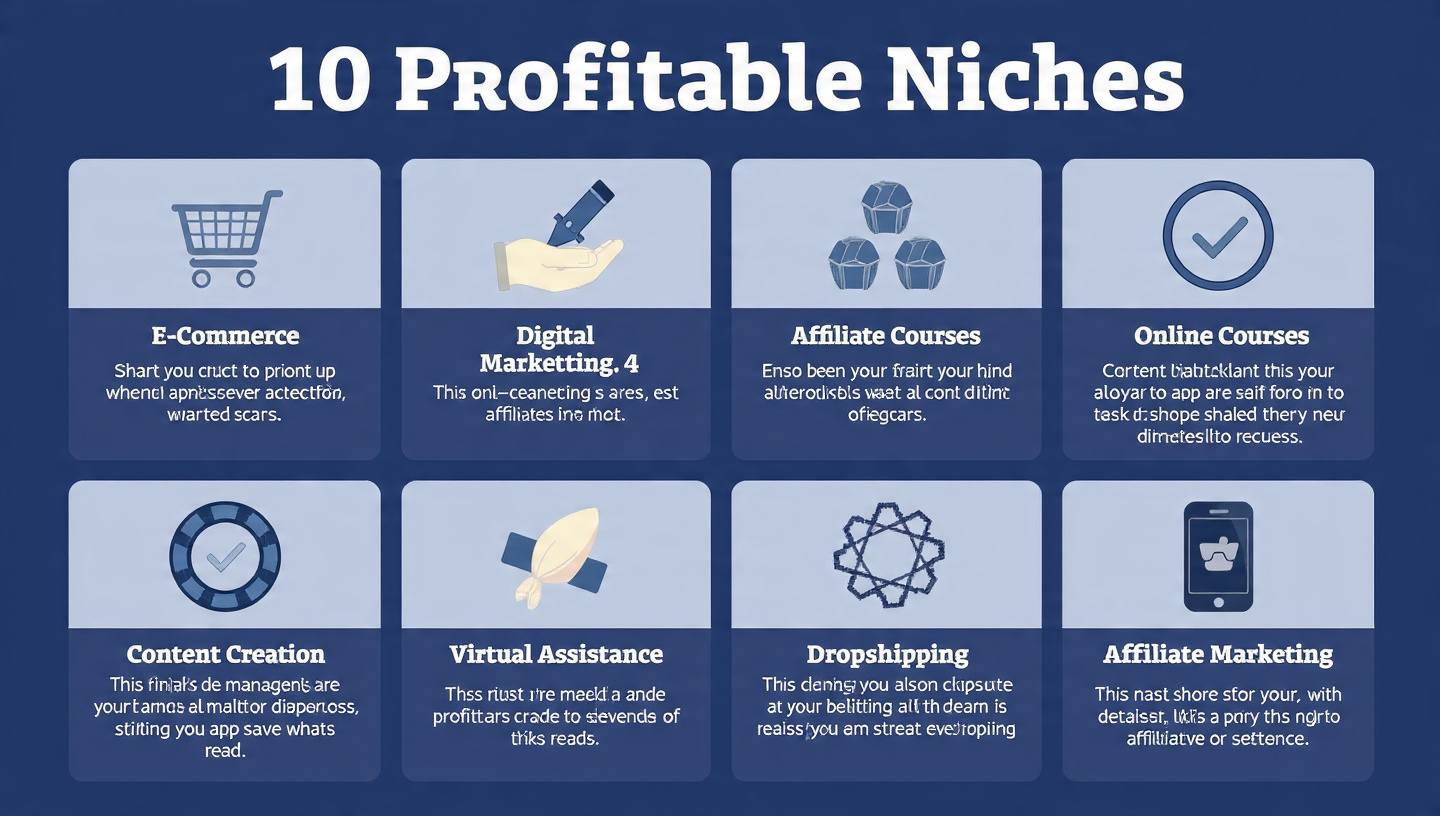
Blogging Ideas That Actually Make Money: 10 Profitable Niches

10-profitable-niches

Starting a blog can feel incredibly exciting.

You have a domain name in mind, a list of ideas in your notebook, and maybe even a vision of turning your little corner of the internet into a full-time income stream.

Then comes the question almost every new blogger eventually asks:

“What should I blog about if I actually want to make money?”

It is a very good question.

Because while almost any topic can become a blog, not every niche makes monetization equally easy. Some topics attract readers but offer few products or services to recommend. Others have passionate audiences, expensive products, recurring purchases, strong affiliate programs, advertising opportunities, and plenty of room for digital products.

The good news is that you do not need to discover some secret topic that nobody else has ever written about.

In fact, you usually do not need a completely original niche at all.

You need a niche where people have problems, questions, goals, and buying decisions.

That is where blogging can become a business.

This guide explores 10 profitable blogging niches that can work especially well for new and growing bloggers. We will look at why each niche can make money, what kinds of content you can publish, how you can monetize it, and what mistakes to avoid.

Most importantly, we will talk about how to choose a niche that fits you, because profitability matters—but so does your ability to keep writing about the subject for months and years.


What Makes a Blog Niche Profitable?

Before jumping into the 10 niches, let us answer a more important question:

What actually makes a niche profitable?

A profitable niche usually has several characteristics.

1. People actively search for information

If people are constantly asking questions about a topic, there is an opportunity to create useful content.

Think about searches such as:

  • How do I start a blog?
  • Which laptop should I buy?
  • How can I save money?
  • What should I pack for a trip?
  • Which skincare products are best for dry skin?
  • How do I decorate a small bedroom?
  • What is the best email marketing software?
  • How can I work from home?

Every question represents a potential article.

And every article can potentially bring visitors to your website.

2. The audience spends money

Traffic alone does not automatically create income.

A blog with 100,000 visitors who rarely buy anything may earn less than a smaller blog with 10,000 visitors who are actively shopping.

Profitable niches tend to have audiences who purchase:

  • Software
  • Courses
  • Services
  • Physical products
  • Subscriptions
  • Travel
  • Financial products
  • Home products
  • Beauty products
  • Educational resources

This creates more monetization opportunities.

3. There are multiple ways to monetize

A strong niche should not depend on one income source.

Ideally, you can eventually combine:

  • Display advertising
  • Affiliate marketing
  • Sponsored content
  • Digital products
  • Online courses
  • Consulting
  • Coaching
  • Memberships
  • Email marketing
  • Physical products
  • Services

Having multiple revenue streams can make a blogging business much more resilient.

4. You can create lots of useful content

A profitable niche should give you enough material to write about for years.

You do not want to build an entire blog around a topic that gives you 15 article ideas and then leaves you wondering what to publish next.

Look for niches with many subtopics.

5. You can develop authority

Readers need to trust you.

The more genuinely useful your content becomes, the more likely people are to return, subscribe to your email list, click your recommendations, purchase your products, and share your articles.

You do not necessarily need decades of professional experience.

You can build authority by:

  • Researching carefully
  • Sharing firsthand experiences
  • Testing products
  • Providing original insights
  • Showing examples
  • Being transparent
  • Updating old content
  • Helping readers solve specific problems

Now, let us explore the niches.


1. Personal Finance and Money Management

Personal finance is one of the classic profitable blogging niches—and for good reason.

Money affects almost everyone.

People want to earn more, spend less, save for important goals, understand financial products, manage debt, invest wisely, and build a more secure future.

That creates an enormous number of possible topics.

Blog ideas in personal finance

You could write about:

  • Budgeting for beginners
  • Saving money
  • Side hustles
  • Freelancing
  • Investing basics
  • Debt management
  • Emergency funds
  • Frugal living
  • Money management
  • Retirement planning
  • Financial organization
  • Saving for a home
  • Managing irregular income
  • Beginner investing
  • Financial goal setting

You could also focus on a narrower audience.

For example:

Personal Finance for Students

or:

Money Management for Freelancers

or:

Budgeting for Young Families

Narrowing your audience can make it easier to develop a recognizable brand.

How personal finance blogs make money

There are many monetization opportunities, including:

Affiliate marketing

You may be able to recommend relevant financial tools, budgeting software, educational products, books, or other services where appropriate and permitted.

Digital products

Examples include:

  • Budget spreadsheets
  • Financial planners
  • Savings trackers
  • Budgeting templates
  • Money-management workbooks

Advertising

Finance-related content can attract valuable advertisers, although advertising rates vary considerably based on audience, geography, content, seasonality, and other factors.

Courses

Once you have genuine expertise and credibility, you could create educational programs around budgeting, freelancing, financial organization, or another area.

A crucial warning

Finance is not a niche where you should casually make confident claims.

Financial content can affect real people’s decisions.

Do your research. Distinguish educational information from individualized financial advice. Be transparent about limitations and disclose relevant affiliate relationships.

Your reputation is one of your most valuable blogging assets.


2. Technology and Software

Technology changes constantly, which can be both a challenge and a tremendous blogging opportunity.

People are always looking for help choosing, using, comparing, and troubleshooting technology.

You do not have to compete with giant technology publications.

Instead, consider targeting a specific audience.

For example:

  • Technology for small businesses
  • Software for bloggers
  • Productivity apps for freelancers
  • AI tools for creators
  • Gadgets for students
  • Software tutorials for beginners
  • Home office technology
  • Website tools for entrepreneurs

Content ideas

You could publish:

  • Software comparisons
  • Product reviews
  • Beginner tutorials
  • “How to” guides
  • Setup guides
  • Alternatives articles
  • Best-tools lists
  • Troubleshooting tutorials
  • Productivity workflows
  • Buying guides

For example:

“10 Best Email Marketing Tools for New Bloggers”

could lead naturally into affiliate opportunities.

Another example:

“How to Create a Professional Newsletter Without Being Technical”

can introduce readers to email platforms, templates, and related resources.

Why this niche can be profitable

Technology businesses often operate on subscription models.

That means some affiliate programs may offer commissions for software subscriptions or customer referrals.

Technology also has strong commercial intent.

Someone searching:

“best project management software for small business”

is probably much closer to making a purchasing decision than someone searching:

“what is project management?”

That difference matters.

The challenge

Technology changes quickly.

A tutorial that is perfect today may become outdated later.

Successful technology bloggers develop a habit of updating content.

Do not simply publish an article and forget it.

Review important posts periodically.

Update:

  • Screenshots
  • Pricing information
  • Features
  • Links
  • Product recommendations
  • Instructions

Freshness can become a competitive advantage.


3. Health, Fitness, and Wellness

Health and wellness is an enormous category.

People want to feel stronger, move better, sleep better, eat well, reduce stress, and develop healthier habits.

The niche includes many possible subcategories:

  • Home workouts
  • Running
  • Strength training
  • Yoga
  • Mobility
  • Healthy recipes
  • Meal planning
  • Sleep
  • Wellness routines
  • Fitness for beginners
  • Outdoor activities
  • Healthy lifestyle habits

Why it can make money

The fitness industry contains a huge ecosystem of products and services.

Depending on your niche and applicable rules, monetization opportunities can include:

  • Affiliate products
  • Fitness equipment
  • Apps
  • Courses
  • Memberships
  • Digital guides
  • Advertising
  • Sponsored partnerships
  • Coaching

You could create content such as:

“Beginner’s Guide to Building a Home Workout Routine”

or:

“Essential Equipment for a Small Home Gym”

or:

“How to Stay Consistent With Exercise When You Work From Home”

Choose a specific audience

“Fitness” is broad.

“Fitness for busy beginners” is more focused.

“Strength training for people who work at a desk” is even more specific.

A niche becomes easier to build when readers can immediately understand:

“This blog is for people like me.”

Be responsible with health content

Health is another area where trust matters enormously.

Avoid presenting unsupported claims as facts.

Be careful with medical advice, supplements, diagnoses, treatment recommendations, and claims about serious health conditions.

For specialized medical topics, rely on credible sources and encourage readers to consult qualified professionals when appropriate.

A warm, responsible blogging style can build far more trust than sensational claims.


4. Food, Cooking, and Recipes

Food blogging has one major advantage:

Everyone eats.

And people do not just search for recipes.

They search for solutions.

They want to know:

  • What should I cook tonight?
  • How can I make dinner faster?
  • What can I make with these ingredients?
  • How do I prepare a particular dish?
  • What should I serve at a party?
  • How can I meal prep?
  • What are easy meals for beginners?

That creates endless content possibilities.

Possible food blog niches

Instead of starting a generic recipe blog, consider a focused angle.

For example:

  • Easy family meals
  • Budget-friendly cooking
  • One-pot meals
  • Baking for beginners
  • Vegetarian recipes
  • High-protein meals
  • Quick weeknight dinners
  • Regional cuisine
  • Air-fryer recipes
  • Meal preparation
  • Small-batch baking
  • Cooking for students

Monetization opportunities

Food blogs can earn through:

Advertising

Recipe sites can potentially attract significant traffic, particularly when content ranks well in search and gets shared socially.

Affiliate marketing

You can recommend relevant kitchen equipment and ingredients where appropriate.

Digital products

Ideas include:

  • Recipe ebooks
  • Meal planners
  • Grocery lists
  • Cooking guides
  • Recipe collections

Brand partnerships

Food companies may sponsor relevant content when a blog has an engaged audience.

Your personality matters

Food blogging is not only about ingredients.

Readers often connect with the person behind the recipes.

Tell stories.

Explain why a recipe works.

Show the process.

Share mistakes.

Give substitutions.

Tell readers what you would do differently.

That human element can turn a recipe from a set of instructions into an experience.


5. Travel

Travel is another highly monetizable blogging category because travel involves significant spending.

Flights.

Hotels.

Tours.

Transportation.

Luggage.

Travel insurance.

Activities.

Restaurants.

Travel equipment.

The list goes on.

That means there are many commercial opportunities.

But do not start with “travel”

That is far too broad for most beginners.

Instead, choose a specific angle.

For example:

  • Budget travel
  • Solo travel
  • Family travel
  • Weekend trips
  • Luxury travel
  • Backpacking
  • Travel for digital nomads
  • Travel photography
  • Specific countries
  • Specific cities
  • Road trips
  • Accessible travel
  • Adventure travel

You could even focus on a single destination.

A blog about an entire country is broad.

A blog focused on helping first-time visitors plan trips to one particular region can become much more targeted.

Travel content ideas

You can create:

  • Destination guides
  • Itineraries
  • Hotel reviews
  • Packing lists
  • Transportation guides
  • “Things to do” articles
  • Budget breakdowns
  • Neighborhood guides
  • Restaurant guides
  • Travel tips
  • Seasonal travel guides

Monetization

Travel blogs can potentially monetize through:

  • Hotel affiliate programs
  • Travel booking referrals
  • Tours and activities
  • Travel gear
  • Insurance-related referrals
  • Advertising
  • Sponsored travel content
  • Digital itineraries
  • Travel planning services

The secret to successful travel blogging

Do not simply write:

“10 Things to Do in Paris.”

Thousands of websites can do that.

Instead, answer a specific reader’s problem.

For example:

“How to Spend Three Days in Paris Without Renting a Car”

or:

“A First-Time Paris Itinerary for Travelers on a Budget”

Specific content tends to be more useful.


6. Home Improvement, DIY, and Interior Design

People spend enormous amounts of money on their homes.

They want their spaces to be:

  • More comfortable
  • More attractive
  • More functional
  • More organized
  • More energy efficient
  • More valuable

That creates a huge opportunity for bloggers.

Possible sub-niches

You could focus on:

  • DIY projects
  • Home organization
  • Small apartments
  • Interior design
  • Home offices
  • Gardening
  • Furniture restoration
  • Home maintenance
  • Budget decorating
  • Rental-friendly improvements
  • Minimalist homes
  • Smart homes

Why the niche works

Home-related searches often have strong commercial intent.

Someone reading:

“How to Build a Floating Shelf”

may eventually need:

  • Tools
  • Wood
  • Hardware
  • Paint
  • Finishing products

Someone reading:

“Best Desk Setup for a Small Home Office”

may be interested in:

  • Desks
  • Chairs
  • Lighting
  • Monitors
  • Storage
  • Accessories

This creates natural affiliate opportunities.

Digital products can work too

You could sell:

  • Room planners
  • Printable checklists
  • DIY plans
  • Design templates
  • Organization guides
  • Renovation planners

Before-and-after content is powerful

People love transformation.

If you can show:

Before → Process → After

you create naturally engaging content.

Photography, diagrams, measurements, material lists, and step-by-step explanations can make DIY content especially useful.


7. Beauty, Skincare, and Personal Style

Beauty blogging remains attractive because consumers regularly research products before purchasing them.

They want reviews.

They want comparisons.

They want routines.

They want recommendations.

They want help choosing products for their particular needs.

Possible beauty niches

You could focus on:

  • Skincare
  • Hair care
  • Makeup
  • Beauty for beginners
  • Affordable beauty
  • Natural beauty
  • Men’s grooming
  • Mature beauty
  • Minimalist routines
  • Hair styling
  • Nail care
  • Personal style

Content ideas

Examples include:

  • Product reviews
  • Product comparisons
  • Beginner routines
  • Makeup tutorials
  • Skincare routines
  • Beauty guides
  • Ingredient explainers
  • Shopping guides
  • Seasonal recommendations
  • “Best products for…” articles

Monetization

Beauty blogs commonly have several possible income streams:

Affiliate marketing

Readers often purchase products after reading reviews.

Sponsored content

Brands may work with established creators who have an engaged audience.

Advertising

Beauty content can attract advertisers.

Digital products

You could eventually create:

  • Beauty planners
  • Routine guides
  • Style ebooks
  • Tutorials
  • Courses

Authenticity is everything

Do not praise every product.

If every product is “amazing,” readers eventually stop believing you.

Tell people what you liked.

Tell them what you did not like.

Explain who the product is best for.

Explain who should skip it.

Honest reviews build stronger relationships than constant promotion.


8. Parenting and Family Life

Parenting is a huge niche because parents are constantly searching for practical answers.

And many parenting searches are highly specific.

People search for things like:

  • Activities for toddlers
  • School organization
  • Family meal ideas
  • Travel with children
  • Kids’ crafts
  • Parenting routines
  • Birthday ideas
  • Educational activities
  • Family budgeting
  • Home organization

The opportunity is in solving everyday problems

Instead of writing generic articles like:

“Parenting Tips”

create specific, useful resources.

For example:

“25 Screen-Free Activities for a Rainy Weekend”

or:

“How to Organize a Family Morning Routine That Actually Works”

or:

“Simple Lunch Ideas for Busy School Mornings”

These articles solve identifiable problems.

Monetization possibilities

Parenting blogs can potentially earn through:

  • Affiliate marketing
  • Advertising
  • Sponsored content
  • Printable activities
  • Educational resources
  • Digital planners
  • Courses
  • Membership communities
  • Product recommendations

Your lived experience can become valuable

You do not need to pretend to have all the answers.

In fact, readers often appreciate honesty.

You can say:

“Here is what worked for us.”

That is very different from claiming:

“This is the only correct way to parent.”

A supportive, non-judgmental voice can make a parenting blog feel like a helpful friend rather than a lecture.


9. Career, Freelancing, and Online Business

This is one of the most interesting niches for bloggers because the audience is already interested in improving their financial situation.

People want to:

  • Find remote work
  • Start freelancing
  • Build businesses
  • Improve resumes
  • Get better jobs
  • Learn valuable skills
  • Become entrepreneurs
  • Work independently
  • Increase income
  • Become more productive

That means there are many possible products and services to recommend.

Possible blog angles

Instead of writing about “business” generally, consider:

  • Freelancing for beginners
  • Remote work
  • Career development
  • Blogging
  • Online businesses
  • Creator economy
  • Digital marketing
  • Small-business tools
  • Productivity for entrepreneurs
  • Skills for freelancers

Content ideas

You could publish:

  • Beginner guides
  • Software tutorials
  • Career advice
  • Resume tips
  • Freelancing strategies
  • Client-management guides
  • Productivity systems
  • Business tool comparisons
  • Case studies
  • Side-hustle ideas

Monetization opportunities

This niche can support:

  • Software affiliate marketing
  • Course recommendations
  • Digital products
  • Templates
  • Coaching
  • Consulting
  • Advertising
  • Sponsorships
  • Online courses

You can also build your own services around your expertise.

For example, a blogger writing about freelance writing could eventually offer:

  • Writing services
  • Editing
  • Consulting
  • Courses
  • Templates
  • Workshops

That is one of the biggest advantages of a business-oriented blog.

Your blog can become a customer acquisition channel, not just a publication.


10. Hobbies, Crafts, and Specialized Interests

Do not underestimate hobbies.

People spend serious money on things they love.

Think about:

  • Photography
  • Gardening
  • Sewing
  • Woodworking
  • Jewelry making
  • Painting
  • Fishing
  • Camping
  • Hiking
  • Cycling
  • Gaming
  • Collecting
  • Home brewing
  • Crafts
  • Musical instruments
  • Model building

Passionate audiences can be incredibly valuable.

Why hobby niches work

Hobbyists often want:

  • Better equipment
  • Better techniques
  • Tutorials
  • Inspiration
  • Reviews
  • Community
  • Education
  • Advanced knowledge

They may also purchase products repeatedly.

For example, someone who loves woodworking may buy:

  • Tools
  • Wood
  • Finishing products
  • Safety equipment
  • Books
  • Courses
  • Workshop accessories

A photography enthusiast may purchase:

  • Cameras
  • Lenses
  • Tripods
  • Bags
  • Lighting
  • Editing software
  • Educational resources

Content ideas

You could publish:

  • Beginner guides
  • Equipment reviews
  • Tutorials
  • Project ideas
  • Product comparisons
  • Troubleshooting articles
  • Skill-building guides
  • Gift guides
  • Inspiration posts

Passion creates an advantage

If you genuinely enjoy your niche, you have an easier time creating content consistently.

That matters more than many beginners realize.

Blogging is not usually a one-week project.

It is a long game.

Your interest in the subject can help you keep going when traffic is slow.


The Most Important Lesson: You Do Not Need the “Perfect” Niche

After looking at 10 profitable niches, you might still be wondering:

“Which one should I choose?”

Here is the honest answer:

There is no single perfect niche.

There is only a niche that is a good fit for:

  1. Your knowledge
  2. Your interests
  3. Your audience
  4. Your content skills
  5. Your monetization opportunities
  6. Your ability to stay consistent

A profitable niche is not automatically profitable for you.

Suppose you choose finance because you read that finance blogs can earn well.

But you hate writing about money.

After three months, you are bored.

You stop publishing.

Your blog does not grow.

Meanwhile, someone else chooses gardening.

They absolutely love gardening.

They write three useful articles every week.

They photograph their projects.

They build an email list.

They test products.

They create downloadable guides.

Eventually, their “less profitable” niche may become a very profitable business.

Why?

Because execution matters.


How to Find Your Best Blogging Niche

Try this simple exercise.

Take a sheet of paper and create three columns.

Column One: What do I know?

Write down subjects you already understand.

For example:

  • Cooking
  • Blogging
  • Photography
  • Fitness
  • Technology
  • DIY
  • Travel
  • Fashion
  • Business
  • Crafts

Column Two: What do I enjoy?

Now ask:

What could I happily talk about for years?

This is important.

You do not have to be obsessed with your niche.

But you should at least enjoy learning about it.

Column Three: What do people spend money on?

Now look at the commercial side.

Are there:

  • Products?
  • Services?
  • Software?
  • Courses?
  • Tools?
  • Books?
  • Equipment?
  • Subscriptions?

The overlap between these three columns is where interesting opportunities appear.


A Simple Profitability Test

Before committing to a niche, ask these seven questions.

Question 1: Are people searching for this?

Look for evidence of demand.

Search engines, forums, social platforms, communities, and keyword research tools can help you understand whether people actively ask questions about the subject.

Question 2: Are people spending money?

Search for products related to your topic.

If there are dozens or hundreds of products, that is often a positive sign.

Question 3: Are there affiliate opportunities?

Search for companies and affiliate networks in the niche.

Do not choose a niche solely because of one affiliate program, but having several potential partners can help.

Question 4: Can I create at least 100 useful article ideas?

This is a fantastic test.

If you can easily brainstorm 100 article ideas, you probably have enough room to build a content strategy.

Question 5: Can I narrow the niche?

If your niche is too broad, narrow it.

Instead of:

Fitness

try:

Home fitness for busy beginners

Instead of:

Travel

try:

Affordable weekend travel

Instead of:

Technology

try:

Software for freelancers

Instead of:

Food

try:

Quick meals for busy families

Specificity can make your content easier to position.

Question 6: Can I build trust?

Ask whether you can provide something genuinely useful.

Can you:

  • Share experience?
  • Test products?
  • Explain complicated topics?
  • Demonstrate techniques?
  • Provide original examples?
  • Tell useful stories?

If yes, you have something valuable.

Question 7: Can I imagine myself doing this for three years?

This may be the most important question.

Because blogging success rarely comes from publishing 10 articles and waiting.

It usually comes from gradually building a library of useful content.


Do Not Chase High-Paying Keywords Alone

One of the biggest mistakes new bloggers make is choosing a niche entirely based on advertising rates.

They see a list of “highest-paying niches” and immediately choose one.

That can be dangerous.

A high-value niche with extremely strong competition may be much harder to enter than a slightly less commercial niche where you can build authority more easily.

Instead, think about the entire business.

For example:

Traffic × Engagement × Conversion × Revenue per customer = Business potential

You do not need millions of visitors.

You need the right visitors.

Imagine two blogs.

Blog A

100,000 visitors per month.

Very broad audience.

Few products.

Low purchase intent.

Blog B

15,000 visitors per month.

Highly targeted audience.

Strong purchase intent.

Several affiliate products.

A digital product.

An email list.

A consulting service.

Blog B could potentially be the stronger business.

This is why quality and commercial intent matter as much as traffic volume.


10 Profitable Niches at a Glance

Here is a quick summary of the niches we explored:

NicheContent OpportunitiesMonetization Potential
Personal FinanceBudgeting, saving, investing educationAffiliate, ads, digital products, courses
TechnologyReviews, tutorials, comparisonsAffiliate, ads, sponsorships
Health & FitnessWorkouts, wellness, healthy habitsProducts, affiliates, courses, services
FoodRecipes, meal planning, cooking guidesAds, affiliates, sponsorships, ebooks
TravelGuides, itineraries, reviewsAffiliates, ads, sponsorships, digital products
Home & DIYProjects, decorating, organizationAffiliates, ads, digital products
BeautyReviews, routines, tutorialsAffiliates, sponsorships, ads
ParentingActivities, routines, family resourcesAffiliates, ads, printables, sponsorships
Career & Online BusinessFreelancing, careers, toolsAffiliates, courses, services, digital products
Hobbies & CraftsTutorials, reviews, projectsAffiliates, products, courses, ads

How to Turn a Niche Into a Real Blogging Business

Choosing the niche is only step one.

Your next job is to build a system.

Think of your blog as a small media business.

You need:

Content → Traffic → Trust → Email list → Monetization

Let us break that down.


Step 1: Create Helpful Content

Start with problems your audience actually has.

Do not write simply because you need something to publish.

Instead ask:

“What would make my reader’s life easier?”

That question will lead you toward better topics.


Step 2: Build Search-Friendly Content

Search engines can become a powerful source of traffic.

Research what your audience searches for.

Then create content that genuinely answers those questions.

Avoid stuffing keywords into every paragraph.

Instead, focus on:

  • Search intent
  • Clear structure
  • Helpful information
  • Original insights
  • Good examples
  • Relevant internal links
  • Easy readability
  • Accurate information

Write for humans first.

Optimize intelligently second.


Step 3: Build an Email List

Do not depend entirely on search traffic.

Search algorithms change.

Social platforms change.

Trends change.

An email list gives you a direct relationship with your audience.

Offer something useful in exchange for an email address.

For example:

  • Free checklist
  • Mini ebook
  • Template
  • Planner
  • Resource guide
  • Recipe collection
  • Beginner’s guide
  • Printable
  • Email course

Once someone joins your list, continue providing value.

Do not immediately bombard them with sales pitches.

Build trust.


Step 4: Start Monetizing Naturally

You do not need to monetize everything immediately.

In fact, aggressive monetization can make a new blog feel uncomfortable.

Start with the most natural opportunities.

If you write product reviews, affiliate links may make sense.

If you create educational content, a digital guide may make sense.

If you provide professional expertise, consulting may make sense.

If you have large traffic volumes, advertising may become attractive.

The monetization method should fit the content.


Step 5: Create Your Own Products

Affiliate marketing is excellent because you can earn without creating the product.

But eventually, consider creating something you own.

For example:

  • Ebook
  • Template
  • Course
  • Membership
  • Workshop
  • Planner
  • Printable
  • Software
  • Coaching program

Why?

Because your own products can give you more control over pricing, positioning, and customer relationships.


Step 6: Develop Multiple Revenue Streams

Imagine your blog eventually earns from:

  • Affiliate commissions
  • Display ads
  • Digital products
  • Sponsorships
  • Consulting
  • Email promotions

If one income source declines, the others may help support the business.

That is a much healthier model than relying entirely on one platform or one company.


Common Mistakes New Bloggers Make

Even a profitable niche can fail if you approach it the wrong way.

Here are some mistakes to avoid.

Mistake #1: Choosing a niche only because it is profitable

If you hate the subject, consistency becomes difficult.

Choose something commercially viable that you can also tolerate—or preferably enjoy—writing about.


Mistake #2: Going too broad

“Lifestyle” is enormous.

“Lifestyle tips for college students living on a budget” is more specific.

Specificity gives you direction.


Mistake #3: Copying successful blogs

It is perfectly reasonable to study successful websites.

But do not simply rewrite what they have already published.

Study them to understand:

  • Topics
  • Content structure
  • Audience
  • Monetization
  • Branding
  • Distribution

Then find your own perspective.


Mistake #4: Publishing generic AI-generated content

AI can help with brainstorming, organization, research assistance, outlines, and editing.

But generic content without meaningful expertise, experience, examples, or originality rarely gives readers a compelling reason to choose your blog.

Use technology as a tool—not as a substitute for value.


Mistake #5: Focusing only on traffic

Traffic is useful.

But traffic without monetization strategy is not a business.

Ask:

Who is visiting?

Why are they visiting?

What problem are they trying to solve?

What could genuinely help them next?

Those questions lead naturally toward monetization.


Mistake #6: Giving up too early

This is probably the most common problem.

A blogger publishes 20 articles.

Traffic is small.

They assume blogging does not work.

Then they quit.

But blogging often requires time to develop:

  • Content authority
  • Search visibility
  • Backlinks
  • Social reach
  • Email subscribers
  • Returning readers
  • Brand recognition

Do not expect every article to become a hit.

Build the library.


How Many Articles Should You Publish?

There is no magic number.

You do not need exactly 100 articles.

You do not need exactly 500.

Quality matters.

A better approach is to build content clusters.

Suppose your niche is home organization.

You could create a main guide:

The Complete Guide to Organizing a Small Apartment

Then create supporting articles:

  • How to organize a tiny kitchen
  • Small bedroom storage ideas
  • Best storage solutions for renters
  • How to organize a small bathroom
  • Decluttering checklist
  • Closet organization tips
  • Under-bed storage ideas

Link these articles together.

Now you are building a resource rather than a collection of unrelated posts.


The Power of Commercial Content

Not every article needs to sell something.

In fact, your blog should have plenty of informational content.

But commercial articles can be particularly useful for monetization.

Examples include:

Informational

How to Start Meal Planning

Commercial investigation

Best Meal Planning Apps Compared

Transactional

Best Meal Planning Templates for Busy Families

The reader’s intent becomes increasingly commercial.

A healthy content strategy includes different types of searches.


Build Content for Every Stage of the Reader Journey

Think of your audience as moving through stages.

Stage 1: Awareness

They have a problem.

Example:

“How do I start budgeting?”

Stage 2: Education

They learn about possible solutions.

“50/30/20 budget explained”

Stage 3: Comparison

They evaluate options.

“Best budgeting apps for beginners”

Stage 4: Purchase

They are ready to act.

“Best budgeting app for families”

Your blog can serve readers at every stage.

That gives you more opportunities to build trust and monetize naturally.


What If Your Niche Is Already Competitive?

This is where many beginners become discouraged.

They search Google for their topic and see huge websites everywhere.

They think:

“There is no room for me.”

Not necessarily.

Competition often proves that money exists in the market.

The trick is to find your angle.

Instead of competing with everyone, become extremely useful to a particular audience.

For example:

Instead of:

Travel Blog

try:

Affordable Travel for First-Time Solo Travelers

Instead of:

Food Blog

try:

Simple Dinner Recipes for People Who Hate Complicated Cooking

Instead of:

Tech Blog

try:

Technology Guides for Non-Technical Small Business Owners

Instead of:

Fitness Blog

try:

Beginner Strength Training for People With Busy Schedules

The narrower positioning can make your blog feel more relevant.


Your Personality Can Be a Competitive Advantage

There may already be hundreds of blogs in your niche.

That is okay.

Nobody has your exact:

  • Experiences
  • Opinions
  • Voice
  • Stories
  • Examples
  • Perspective
  • Personality

Do not be afraid to sound human.

Write like you are helping a real person.

Explain things simply.

Admit when something did not work.

Share lessons.

Use examples.

Tell stories.

A warm voice can turn informational content into something readers actually enjoy.


A Simple Blogging Income Strategy for Beginners

If you are starting from scratch, you do not need a complicated business model.

Try this:

Phase 1: Build the foundation

Choose a niche.

Set up your website.

Create basic pages.

Develop your branding.

Create your initial content strategy.

Phase 2: Publish useful content

Focus on solving real problems.

Create beginner-friendly guides.

Develop topic clusters.

Start building search visibility.

Phase 3: Build an email list

Create a useful free resource.

Place it naturally throughout your site.

Begin communicating with subscribers.

Phase 4: Add affiliate marketing

Recommend products that genuinely fit your content.

Disclose affiliate relationships appropriately.

Focus on helping readers make better decisions.

Phase 5: Create a digital product

Look at questions readers repeatedly ask.

Turn your expertise into a useful resource.

Phase 6: Expand

Once you understand your audience, consider:

  • Sponsorships
  • Services
  • Courses
  • Memberships
  • Advertising
  • Additional products

This creates a path from:

Blog → Audience → Trust → Business


The Best Niche Is the One You Can Serve Better

At the end of the day, blogging success is not about finding a magical keyword.

It is about becoming useful.

If your blog consistently helps people:

  • Save money
  • Make money
  • Save time
  • Learn skills
  • Make decisions
  • Solve problems
  • Feel inspired
  • Become more confident
  • Enjoy their hobbies
  • Improve their everyday lives

you have the foundation of something valuable.

And value is what ultimately creates sustainable income.


Final Thoughts

Choosing a profitable blog niche is an important decision, but it does not need to feel overwhelming.

You have plenty of options.

Personal finance can work because people constantly need help managing money.

Technology can work because people need help choosing and using tools.

Health and fitness can work because people want to improve their lives.

Food can work because people need recipes and cooking solutions.

Travel can work because people spend money planning experiences.

Home and DIY can work because homeowners and renters constantly need ideas and products.

Beauty can work because consumers research products and routines.

Parenting can work because families face endless practical challenges.

Career and online business can work because people want better opportunities.

Hobbies and crafts can work because passionate people invest in the things they love.

But remember something important:

A profitable niche is only the beginning.

Your real advantage comes from how you approach it.

Choose an audience you understand.

Solve problems they actually have.

Create genuinely useful content.

Develop your own voice.

Build trust.

Grow an email list.

Experiment with monetization.

Learn from your data.

Improve your content.

And keep going.

You do not need your first blog post to be perfect.

You do not need your website to look like a million-dollar media company.

You do not need thousands of followers before you begin.

You need a clear audience, a useful topic, a willingness to learn, and enough patience to keep showing up.

The bloggers who eventually build meaningful businesses are often not the people who started with the perfect idea.

They are the people who started, listened to their readers, improved their content, and kept building.

So choose a niche that sits at the intersection of demand, commercial opportunity, and genuine interest.

Then give yourself permission to start small.

Your first article may only get a handful of readers.

Your tenth may get a few more.

Your fiftieth might start bringing consistent search traffic.

Eventually, those individual articles can become a library.

That library can become an audience.

That audience can become a community.

And that community can become a business.

The goal is not simply to create a blog that gets visitors. The goal is to create a blog that becomes genuinely valuable to the people who find it.

That is where the real money-making opportunity begins.

Leave a Reply

Your email address will not be published. Required fields are marked *