
If you run a fitness blog, wellness website, yoga platform, running site, gym-focused social account, or lifestyle publication, you already know how powerful the right product recommendation can be.
Your readers are constantly looking for better workout clothes, comfortable leggings, supportive sports bras, running gear, yoga essentials, travel-friendly apparel, and products that can move with them through busy everyday life. And when your audience trusts your recommendations, affiliate marketing can turn those helpful suggestions into an additional source of income.
That is where the Lululemon affiliate opportunity becomes particularly interesting for fitness bloggers.
Lululemon has built a strong reputation around athletic apparel, yoga clothing, running gear, training products, and lifestyle pieces. The brand is especially recognizable among people who care about performance, comfort, design, and premium activewear. For a blogger whose audience already spends money in these categories, promoting relevant Lululemon products can make sense from both a content and monetization perspective.
But there is an important distinction to understand from the beginning:
Being interested in promoting Lululemon is not the same thing as automatically having access to a direct Lululemon affiliate program.
Affiliate availability, commission rates, cookie duration, application requirements, geographic eligibility, and available products can change. Lululemon may also work with affiliate or partnership platforms depending on the market and campaign. Therefore, publishers should always verify the current terms through Lululemon’s official channels or the affiliate network or platform offering the partnership before publishing claims about specific commissions.
With that important point out of the way, let’s explore how fitness bloggers can approach Lululemon affiliate marketing strategically, what types of content can generate sales, how to build trust, what mistakes to avoid, and whether premium activewear is actually worth promoting.
What Is the Lululemon Affiliate Program?
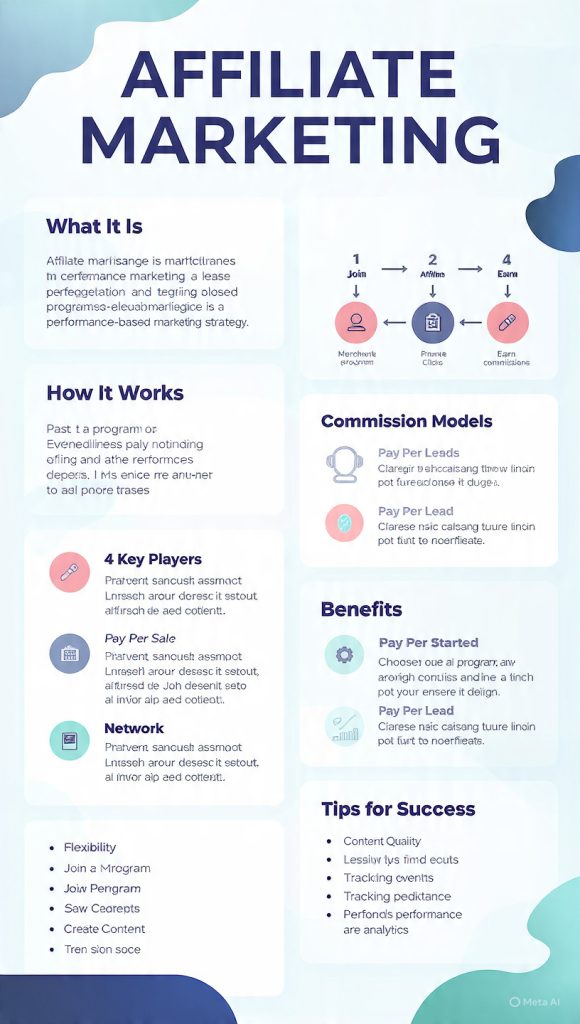
An affiliate program is a partnership arrangement where a publisher promotes a company’s products using specially tracked links.
If a reader clicks your affiliate link and completes a qualifying purchase, you may receive a commission.
The basic process looks like this:
Your content → reader clicks your tracked link → reader visits the retailer → qualifying purchase → affiliate attribution → commission
The concept is simple, but successful affiliate marketing is much more than placing links throughout a blog post.
The real opportunity comes from creating content that helps people make buying decisions.
For example, imagine someone searches:
- Best leggings for strength training
- What to wear for a hot yoga class
- Best running shorts for long-distance training
- Comfortable travel clothes for women
- Best workout clothes for busy moms
- What to wear to Pilates
- Best athleisure outfits for everyday wear
- Lululemon alternatives
- Best Lululemon leggings for different body types
- What Lululemon products are worth buying
Those searches represent purchasing intent.
The person isn’t necessarily looking for a general discussion about fitness.
They are trying to solve a problem.
A well-written affiliate article can answer that problem while naturally introducing relevant products.
Why Lululemon Is Interesting for Fitness Bloggers
Lululemon occupies an interesting position in the activewear market.
It is not generally positioned as a budget clothing company. Instead, its appeal is connected with factors such as design, fabric feel, performance, comfort, brand recognition, and lifestyle positioning.
That creates both an opportunity and a challenge for affiliates.
The opportunity is that premium products can generate meaningful revenue per conversion when the products have strong demand and the affiliate terms are favorable.
The challenge is that your audience may be more selective before spending premium prices.
This means your content needs to do more than say:
“This product is great. Buy it.”
Your readers want to know:
- Is it actually worth the price?
- Which product should I choose?
- What size should I buy?
- Is it suitable for running?
- Is it better for yoga?
- Is the fabric breathable?
- Does it hold up after repeated washing?
- Is it comfortable for long workouts?
- What makes it different from cheaper alternatives?
- Which version is best for beginners?
- Is the premium price justified?
These questions create fantastic affiliate content opportunities.
Who Should Consider Lululemon Affiliate Marketing?
Lululemon-related affiliate content isn’t limited to traditional fitness bloggers.
A wide variety of publishers can potentially create useful content around premium activewear.
1. Fitness Bloggers
This is the most obvious audience.
If your blog covers:
- Strength training
- Weightlifting
- Cross-training
- Home workouts
- Gym routines
- Fitness equipment
- Workout clothing
- Training programs
you have plenty of opportunities to incorporate activewear recommendations.
A post such as:
“What to Wear for Your First Week at the Gym”
can naturally include workout apparel recommendations.
2. Yoga Bloggers
Yoga and activewear are a particularly natural combination.
You could create content around:
- Yoga leggings
- Yoga tops
- Lightweight layers
- Comfortable bras
- Yoga clothing for beginners
- Hot yoga clothing
- Travel yoga outfits
- Yoga studio essentials
Instead of writing a generic product roundup, focus on the reader’s situation.
For example:
“What to Wear to Your First Yoga Class: A Beginner’s Guide”
could be much more useful than:
“10 Lululemon Products You Should Buy.”
The first article solves a problem.
The second sounds like advertising.
That difference matters.
3. Running Bloggers
Running audiences frequently spend money on specialized clothing and accessories.
You can create content around:
- Running shorts
- Running shirts
- Lightweight jackets
- Cold-weather layers
- Running tights
- Sports bras
- Race-day outfits
- Long-distance running clothing
- Recovery clothing
- Travel outfits for runners
Articles such as:
“What to Wear for a 10K in Cold Weather”
or
“How to Build a Comfortable Marathon Training Wardrobe”
can provide opportunities for relevant product recommendations.
4. Pilates and Barre Bloggers
Pilates, barre, and studio fitness audiences can also be a natural fit.
These audiences often care about:
- Stretch
- Comfort
- Fit
- Lightweight fabrics
- Mobility
- Breathability
- Appearance
- Layering
That makes premium activewear a logical product category.
5. Wellness and Lifestyle Bloggers
You don’t necessarily need to run a hardcore fitness website.
A wellness blogger can incorporate activewear into content about:
- Healthy routines
- Morning routines
- Walking
- Travel
- Self-care
- Wellness habits
- Home workouts
- Everyday comfort
- Capsule wardrobes
- Athleisure
This is especially useful because modern activewear often crosses over from exercise into everyday life.
6. Personal Trainers and Fitness Professionals
Personal trainers with blogs, newsletters, YouTube channels, podcasts, or social audiences may also have opportunities to recommend fitness apparel.
The key is authenticity.
If you regularly discuss workout clothing and genuinely use or understand the products you’re recommending, your recommendations can feel natural.
How Does Affiliate Commission Work?
The basic affiliate equation is straightforward:
Affiliate earnings = qualifying sales × commission rate
For example, if you generated 50 qualifying purchases and the applicable commission averaged $8 per sale, your gross affiliate earnings would be:
50 × $8 = $400
But real affiliate earnings depend on many variables.
Your actual results can be affected by:
- Commission percentage
- Average order value
- Conversion rate
- Traffic volume
- Product availability
- Geographic eligibility
- Attribution rules
- Cookie or tracking period
- Returns and cancellations
- Promotional restrictions
- Affiliate network terms
This is why you should avoid building a financial forecast around an outdated commission figure.
Affiliate programs change.
A rate that appeared on a website several months ago may no longer apply.
Always verify the current terms before publishing exact commission information.
Don’t Build Your Strategy Around Commission Rate Alone
One of the biggest mistakes new affiliate marketers make is choosing programs exclusively based on commission percentage.
Suppose one company offers a 10% commission and another offers 3%.
It would be tempting to assume the first program is automatically better.
But imagine:
- Program A converts at 1%
- Program B converts at 6%
Program B might generate far more revenue despite the lower commission rate.
This is why you should think about earnings per visitor, not just commission percentage.
A useful way to think about affiliate performance is:
Traffic × click-through rate × conversion rate × average commission = potential earnings
Every part matters.
Why Premium Activewear Can Work for Affiliate Marketing
Premium products have an interesting advantage.
People who are already willing to spend more on clothing may have higher purchase intent.
Someone searching:
“best workout leggings under $25”
is behaving differently from someone searching:
“best Lululemon leggings for running.”
Neither audience is necessarily better.
But their buying behavior is different.
A premium-focused search can indicate that the reader has already decided that they are willing to spend more.
Your job is to help them decide what to buy and why.
The Importance of Product-Specific Content
Broad articles can attract large amounts of traffic, but product-specific content often has stronger commercial intent.
Compare:
“Benefits of Exercise”
with:
“Best Lululemon Leggings for Running: What to Look For”
The first topic is extremely broad.
The second is much closer to a purchase decision.
For affiliate marketing, that distinction is important.
Your content strategy should include a mix of:
Informational content
Examples:
- How to start running
- Beginner’s guide to yoga
- How often should you strength train?
- How to wash workout clothes
- How to build a gym wardrobe
Commercial content
Examples:
- Best workout leggings
- Best running tops
- Best yoga pants
- Best activewear for travel
- Best premium workout clothes
Product-focused content
Examples:
- Lululemon leggings review
- Lululemon running shorts review
- Lululemon vs. another activewear brand
- Best Lululemon products for beginners
Transactional content
Examples:
- Where to buy Lululemon workout clothes
- Best Lululemon deals
- Lululemon sale guide
- Lululemon products worth buying
A balanced site can capture readers at different stages of the buying journey.
25 Lululemon Affiliate Article Ideas for Fitness Bloggers
If you’re building a content plan, here are some ideas worth considering.
Beginner-Focused Topics
- Lululemon for Beginners: What Should You Buy First?
- The Best Lululemon Workout Clothes for New Gym Members
- What Lululemon Products Are Worth the Money?
- A Beginner’s Guide to Lululemon Activewear
- How to Build a Workout Wardrobe With Lululemon
- Best Lululemon Pieces for Everyday Workouts
- Lululemon Essentials Every Fitness Beginner Should Know
Running Topics
- Best Lululemon Running Clothes for Beginners
- What to Wear for Long-Distance Running
- Best Lululemon Layers for Cold-Weather Running
- Best Lululemon Shorts for Running
- How to Build a Marathon Training Wardrobe
- Lululemon Running Gear Worth Considering
Yoga Topics
- Best Lululemon Clothing for Yoga
- What to Wear to Your First Yoga Class
- Best Lululemon Leggings for Yoga
- Lululemon Hot Yoga Clothing Guide
- Best Yoga Tops for Comfort and Mobility
Gym Topics
- Best Lululemon Workout Clothes for Weightlifting
- What to Wear for Strength Training
- Best Lululemon Gym Outfits for Women
- Best Lululemon Workout Tops
- Best Activewear for High-Intensity Workouts
Lifestyle Topics
- Lululemon Athleisure: How to Style Activewear for Everyday Life
- Best Lululemon Pieces for Travel
These topics can be expanded into dozens or even hundreds of supporting articles.
How to Write a High-Converting Lululemon Affiliate Review
A successful affiliate review should feel like advice from a knowledgeable friend.
Don’t simply copy the retailer’s product description.
Your reader can already find that information.
Instead, provide context.
A strong review might include:
1. Quick Summary
Tell the reader who the product is best for.
For example:
Best for: runners who want lightweight clothing for everyday training.
This immediately helps the reader.
2. What You Like
Discuss the strengths that matter.
For example:
- Comfort
- Fit
- Mobility
- Fabric feel
- Design
- Breathability
- Versatility
3. Potential Drawbacks
Don’t be afraid to mention limitations.
This actually makes your review more trustworthy.
If something is expensive, say so.
If a product may not suit a particular type of workout, explain that.
Honest affiliate content tends to be much more persuasive than exaggerated praise.
4. Who Should Buy It?
Answer the question directly.
For example:
This product may be a good choice if you prioritize comfort and versatility and don’t mind paying a premium for activewear.
5. Who Should Skip It?
This is just as useful.
Maybe a reader needs:
- Budget clothing
- Heavy-duty lifting apparel
- Specialized winter running gear
- A specific fit
- A particular fabric
Being willing to recommend something else can increase trust.
The Power of Comparison Articles
Comparison articles can be excellent affiliate content.
Examples include:
- Lululemon vs. Nike
- Lululemon vs. Athleta
- Lululemon vs. Gymshark
- Lululemon vs. Adidas
- Lululemon vs. Under Armour
- Lululemon vs. Vuori
- Lululemon vs. budget activewear
But avoid making unsupported claims.
Don’t simply declare:
“Lululemon is better than every other brand.”
Instead, compare specific characteristics.
For example:
| Factor | Brand A | Brand B |
|---|---|---|
| Price | Premium | Mid-range |
| Style | Minimal | Sporty |
| Best for | Everyday wear | Training |
| Fabric preference | Soft | Technical |
| Budget | Higher | Moderate |
The goal is to help the reader choose.
Why Trust Matters More Than Links
Affiliate marketing is sometimes misunderstood as a link-placement game.
It isn’t.
You could publish an article with 30 affiliate links and earn nothing.
Meanwhile, another blogger could publish a single well-researched recommendation and generate consistent sales.
Why?
Because readers don’t click links because links exist.
They click because they trust the recommendation.
Think of affiliate marketing as a form of digital word-of-mouth.
Your website should answer:
“Why should I trust this person?”
Build Your Fitness Blogger Authority
You can strengthen credibility by demonstrating genuine expertise.
For example:
Share experience
Explain how a product performs in real-world situations.
Explain technical concepts
If you discuss running clothing, explain why moisture management matters.
If you discuss yoga clothing, explain why stretch and mobility matter.
Compare use cases
Don’t just say one product is “better.”
Explain:
Better for what?
Show your methodology
Tell readers how you evaluate products.
For example:
We evaluate activewear based on comfort, fit, versatility, fabric performance, durability, price, and suitability for different types of workouts.
That gives your recommendations a framework.
Use Multiple Affiliate Content Formats
A successful fitness website doesn’t have to rely exclusively on written articles.
You can combine:
- Blog posts
- Product reviews
- Comparison guides
- YouTube videos
- Instagram content
- Pinterest graphics
- Email newsletters
- Short-form videos
- Buying guides
- Gift guides
- Seasonal content
Imagine publishing:
Blog: Best Lululemon Running Clothes
Then creating:
Pinterest: 7 Running Outfit Ideas
Then:
YouTube: Testing Popular Running Outfits
Then:
Email: My Favorite Running Gear This Season
Then:
Instagram: Running wardrobe carousel
One research effort can produce multiple pieces of content.
Pinterest Can Be Particularly Interesting
Fitness and fashion are highly visual categories.
That makes Pinterest an appealing traffic source for bloggers.
You could create pins around:
- Workout outfit ideas
- Running outfit ideas
- Yoga outfit inspiration
- Gym wardrobe essentials
- Athleisure outfits
- Fitness clothing guides
- Activewear capsule wardrobes
- Travel workout outfits
The important part is to make sure the pin leads to useful content rather than directly pushing a purchase whenever possible.
A reader who clicks a helpful article can then discover relevant products naturally.
SEO Strategy for Lululemon Affiliate Content
Search engine optimization can become a major traffic source for affiliate websites.
Start by thinking about search intent.
A keyword like:
Lululemon
is extremely broad.
A phrase like:
best Lululemon leggings for running
is much more specific.
An even more specific search might be:
best Lululemon leggings for long distance running
That search gives you a clearer picture of the reader’s needs.
Build Topic Clusters
Instead of publishing random articles, create content clusters.
For example, your main topic could be:
Lululemon Running Gear
Supporting articles could include:
- Best Lululemon Running Shorts
- Best Lululemon Running Tops
- Best Lululemon Running Leggings
- Best Lululemon Jackets for Running
- What to Wear for Summer Running
- What to Wear for Winter Running
- Lululemon Running Clothes Review
- Lululemon vs. Nike Running Gear
These pages can link to each other.
This helps readers discover related information while creating a more organized site.
Don’t Ignore Long-Tail Keywords
Long-tail keywords are often overlooked because they have lower individual search volumes.
But they can be valuable because they’re more specific.
Examples:
- Lululemon leggings for hot yoga
- Lululemon clothes for marathon training
- best Lululemon shorts for gym workouts
- Lululemon workout clothes for petite women
- Lululemon activewear for travel
- best Lululemon tops for running
- Lululemon clothing for strength training
- best Lululemon clothes for beginners
Instead of chasing only huge keywords, build a large library of specific helpful articles.
Create Content Around Problems, Not Just Products
This is one of the most important strategies in affiliate marketing.
Don’t ask:
“What products can I promote?”
Ask:
“What problems does my reader have?”
For example:
Problem:
“My leggings keep slipping during workouts.”
Content:
How to Choose Workout Leggings That Stay in Place
Problem:
“I don’t know what to wear for my first yoga class.”
Content:
What to Wear to Yoga: Beginner’s Guide
Problem:
“I want comfortable clothes that work for travel and workouts.”
Content:
How to Build a Travel-Friendly Activewear Wardrobe
Once you solve the problem, relevant products become part of the solution.
How Many Affiliate Links Should You Use?
There isn’t a magic number.
The better rule is:
Use affiliate links where they help the reader.
If a sentence naturally leads to a product recommendation, a link may be appropriate.
But don’t turn every paragraph into a sales pitch.
For example:
If you’re looking for lightweight running layers, you may want to compare Lululemon’s current running jackets and tops based on temperature, fabric, and intended use.
That is more natural than:
BUY THIS AMAZING LULULEMON PRODUCT NOW!!!
Your readers are intelligent.
Treat them that way.
Place Affiliate Links Strategically
Useful locations include:
Early recommendation
Give readers a quick answer near the top.
Product comparison table
Useful for readers who want to scan options.
Individual product sections
Include a relevant call to action after explaining the product.
Final recommendation
Summarize your choices at the end.
A typical article structure might be:
Introduction
↓
Quick comparison
↓
Detailed reviews
↓
Buying guide
↓
FAQs
↓
Final recommendations
This gives readers several opportunities to continue shopping without overwhelming them.
Write Better Calls to Action
Your call to action doesn’t always need to be:
Buy Now
Try more informative language.
Examples:
- Check the current product details
- See available colors and sizes
- View the latest styles
- Check current pricing
- Explore the current collection
- See whether it’s available in your size
- Compare the latest options
These calls to action feel more natural in editorial content.
Seasonal Affiliate Content
Fitness shopping changes throughout the year.
That gives you an excellent opportunity to create seasonal content.
January
New Year’s fitness content is huge.
Ideas:
- New Year workout wardrobe
- Best gym clothes for beginners
- Fitness essentials for a fresh start
- Activewear for starting a new routine
Spring
Think:
- Spring running
- Outdoor workouts
- Lightweight layers
- Walking
- Hiking-inspired activewear
Summer
Focus on:
- Hot-weather workouts
- Breathable clothing
- Running in heat
- Summer travel
- Outdoor fitness
Fall
Potential topics:
- Fall running clothes
- Transitional workout layers
- Back-to-gym wardrobe
- Autumn fitness outfits
Winter
Explore:
- Cold-weather running
- Winter layering
- Indoor gym wardrobes
- Holiday gift guides
- Fitness gifts
Seasonality can make your content calendar much more productive.
Gift Guides Are Worth Exploring
Premium activewear can also work well in gift content.
Potential article ideas include:
- Best Gifts for Runners
- Best Gifts for Yoga Lovers
- Best Gifts for Gym-Goers
- Best Gifts for Fitness Enthusiasts
- Luxury Fitness Gifts
- Birthday Gifts for Active Women
- Holiday Gifts for Athletes
- Gifts for Someone Starting Their Fitness Journey
These articles can include multiple relevant brands and products rather than becoming exclusively about one retailer.
Don’t Make Your Entire Website About Lululemon
This is an important strategic point.
Building an entire website around a single affiliate relationship can create unnecessary risk.
Affiliate terms can change.
Products can go out of stock.
Programs can close.
Commission rates can change.
Search algorithms can change.
Consumer preferences can change.
A healthier long-term strategy is to build an audience-first fitness website.
Then Lululemon becomes one monetization opportunity within your larger ecosystem.
Your site might cover:
- Fitness
- Activewear
- Running
- Yoga
- Strength training
- Nutrition
- Fitness equipment
- Wellness
- Recovery
- Travel
- Lifestyle
Then you can work with multiple relevant brands and affiliate programs.
Build an Affiliate Portfolio
Instead of depending on one retailer, consider building a portfolio of complementary partnerships.
For example:
Activewear
Lululemon and other apparel brands.
Shoes
Running and training footwear retailers.
Equipment
Home gym and fitness equipment companies.
Accessories
Water bottles, bags, fitness trackers, and recovery products.
Digital Products
Fitness apps, workout programs, online courses, and training platforms where appropriate.
This gives your website multiple revenue opportunities.
The Importance of Affiliate Disclosure
If you’re earning commissions from product recommendations, transparency matters.
Your readers should understand that you may earn a commission if they purchase through certain links.
A simple disclosure might say:
Affiliate Disclosure: Some links on this website are affiliate links. If you purchase through one of these links, we may earn a commission at no additional cost to you. We only recommend products and services we believe may be useful to our readers.
Your exact disclosure should reflect your location, audience, applicable laws, and platform requirements.
Don’t hide the disclosure in tiny text at the bottom of your website.
Transparency helps build trust.
Avoid Fake Personal Experience
One of the worst things an affiliate marketer can do is pretend to have used a product when they haven’t.
Don’t write:
“I wore these leggings for six months and they never stretched.”
if you never actually wore them.
Instead, say:
“The product is designed for…”
or:
“Based on the available product information…”
or:
“For shoppers prioritizing X, this model may be worth considering…”
Honesty protects your reputation.
Don’t Copy Product Descriptions
Retailer product descriptions are not a substitute for original content.
Your article should add something.
Explain:
- Who the product is for
- What problem it solves
- What alternatives exist
- What trade-offs matter
- What readers should consider before buying
Your value is interpretation.
Lululemon Affiliate Marketing and Email Marketing
Email can be an excellent complement to SEO.
Imagine someone reads:
How to Build a Beginner Gym Wardrobe
They sign up for your newsletter to receive:
The Beginner’s Fitness Clothing Checklist
Now you have an opportunity to send helpful content over time.
You might send:
Email 1: How to choose workout clothes
Email 2: Common activewear mistakes
Email 3: Best clothing for different workouts
Email 4: How to care for workout clothes
Email 5: My favorite premium activewear picks
The key is to make the emails genuinely useful.
Don’t turn every email into a sales message.
Create a Free Lead Magnet
If you’re serious about building an affiliate business, create something useful enough for people to exchange their email address for.
Ideas include:
Beginner Gym Wardrobe Checklist
A printable guide explaining what a new gym member actually needs.
Running Clothing Guide
Explain what to wear at different temperatures.
Yoga Starter Guide
Cover clothing, equipment, and beginner tips.
Activewear Shopping Checklist
Give readers a framework for comparing products.
These resources can help you build an email audience.
How to Increase Affiliate Conversion Rates
Traffic is important.
But traffic alone doesn’t pay the bills.
You need conversions.
Here are several ways to improve them.
1. Match the Product to the Search Intent
Someone searching for:
best running leggings
shouldn’t land on a 2,000-word article about the history of Lululemon.
Give them the answer they’re looking for.
2. Make Recommendations Clear
Don’t make readers work too hard.
Tell them:
Best overall
Best for running
Best for yoga
Best for beginners
Best premium option
Clear categorization makes buying decisions easier.
3. Explain Trade-Offs
Readers want to know what they’re sacrificing.
For example:
Higher price, but potentially better suited to shoppers prioritizing premium materials and design.
That’s more useful than:
Amazing product!
4. Update Your Content
Affiliate content can become outdated quickly.
Products change.
Colors change.
Prices change.
Availability changes.
Affiliate terms change.
Review your important articles periodically.
Track the Metrics That Actually Matter
Don’t obsess over pageviews.
Track:
- Organic traffic
- Affiliate clicks
- Click-through rate
- Conversion rate
- Earnings
- Earnings per click
- Revenue per article
- Revenue per 1,000 visitors
- Top-performing products
- Top-performing traffic sources
A page receiving 10,000 visitors and producing $50 isn’t necessarily better than a page receiving 1,000 visitors and producing $300.
The goal is profitable, relevant traffic.
Use Analytics to Find Your Winners
Suppose you publish 50 affiliate articles.
After six months, you discover:
- 10 articles generate most of your clicks
- 5 articles generate most of your sales
- 20 articles get traffic but almost no clicks
- 15 articles barely receive traffic
That’s valuable information.
Instead of creating another 50 random articles, improve the winners.
You could:
- Add better comparisons
- Improve internal links
- Update product information
- Improve calls to action
- Add FAQs
- Add original images
- Expand sections answering reader questions
- Create related supporting content
Affiliate growth often comes from optimization rather than constant publishing.
What Fitness Bloggers Should Know About Brand Positioning
Lululemon isn’t simply selling fabric.
The brand is part of a larger lifestyle category.
That means your content can go beyond:
“These are leggings.”
You can discuss:
- Fitness lifestyle
- Wellness
- Studio workouts
- Running
- Travel
- Comfort
- Athleisure
- Everyday movement
- Personal style
That gives bloggers more creative freedom.
The Premium Price Objection
One of the biggest questions readers may have is:
“Why should I pay this much for workout clothes?”
Don’t avoid the question.
Address it.
Explain the factors shoppers should evaluate:
- Material
- Construction
- Fit
- Comfort
- Performance
- Durability
- Versatility
- Brand preferences
- Cost per wear
A $100 item worn 100 times costs roughly $1 per wear.
A $30 item worn five times costs $6 per wear.
That doesn’t automatically make the expensive product better.
But it gives readers a useful framework.
Cost Per Wear Is a Great Content Angle
Instead of simply comparing purchase prices, explain:
Cost per wear = purchase price ÷ number of uses
This can make premium clothing discussions more practical.
For example:
A $100 garment worn 80 times:
$100 ÷ 80 = $1.25 per wear
A $40 garment worn 10 times:
$40 ÷ 10 = $4 per wear
Again, this is only an illustration.
Actual durability varies by product, care, frequency of use, and individual experience.
But the concept can help your audience think beyond the sticker price.
Create “Worth It?” Content
This format is extremely useful for premium products.
Examples:
- Is Lululemon Worth It?
- Are Lululemon Leggings Worth the Price?
- Is Premium Activewear Worth Buying?
- Which Lululemon Products Are Worth It?
- When Should You Buy Expensive Workout Clothes?
These articles allow you to discuss both advantages and disadvantages.
That’s valuable because readers often search for confirmation before making a premium purchase.
Common Lululemon Affiliate Marketing Mistakes
Let’s look at some of the mistakes new affiliates make.
Mistake #1: Focusing Only on Commission Rates
A high commission doesn’t matter if nobody buys.
Focus on relevance, conversion, and earnings.
Mistake #2: Writing Thin Product Reviews
A 400-word article that repeats the product page isn’t useful.
Add original analysis.
Mistake #3: Overusing Affiliate Links
Too many links can make your website feel like a catalog.
Prioritize usefulness.
Mistake #4: Ignoring Search Intent
Don’t write what you want to write.
Write what your reader needs.
Mistake #5: Pretending Every Product Is Perfect
Readers don’t believe that.
Every product has trade-offs.
Mistake #6: Forgetting Disclosures
Be transparent about affiliate relationships.
Mistake #7: Depending on One Traffic Source
SEO is great.
Pinterest can be great.
Email can be great.
YouTube can be great.
Social media can be great.
But relying entirely on one source creates unnecessary risk.
Mistake #8: Not Updating Articles
Affiliate content can become stale surprisingly quickly.
Make updating part of your workflow.
A Simple Lululemon Affiliate Content Funnel
Here’s an example of how you could structure your website.
Stage 1: Awareness
Article:
10 Benefits of Having Comfortable Workout Clothes
↓
Stage 2: Education
Article:
How to Choose the Right Workout Clothes
↓
Stage 3: Comparison
Article:
Premium vs. Budget Activewear: What’s the Difference?
↓
Stage 4: Product Research
Article:
Best Lululemon Workout Clothes for Beginners
↓
Stage 5: Purchase Decision
Article:
Which Lululemon Leggings Are Best for Your Workout?
↓
Stage 6: Affiliate Conversion
Reader clicks your tracked link.
This is much more powerful than publishing isolated affiliate posts.
A 90-Day Content Strategy
If you’re starting from scratch, don’t try to publish everything immediately.
Month 1: Build the Foundation
Create:
- About page
- Affiliate disclosure
- Privacy policy
- Contact page
- Fitness category
- Activewear category
- 10 helpful informational articles
- 5 commercial articles
Focus on quality.
Month 2: Add Commercial Content
Publish:
- Product roundups
- Comparisons
- Buying guides
- Beginner guides
- Seasonal articles
- Product-specific content
Start connecting your articles with internal links.
Month 3: Optimize
Look at:
- Which articles receive traffic?
- Which articles receive clicks?
- Which products receive attention?
- Which pages have high bounce rates?
- Which articles rank for valuable terms?
Then improve the strongest opportunities.
Example Weekly Publishing Schedule
You could publish:
Monday
Informational fitness article
Tuesday
Activewear buying guide
Wednesday
Social content
Thursday
Product comparison
Friday
Email newsletter
Weekend
Pinterest and social promotion
You don’t need to follow this exact schedule.
The important thing is consistency.
How Beginners Can Start Without a Huge Audience
You don’t need 100,000 visitors to begin learning affiliate marketing.
Start by understanding your niche.
Let’s say your website receives only 1,000 monthly visitors.
If those visitors are highly relevant and some are actively shopping, you may still generate affiliate clicks and sales.
The goal is not:
“Get as much traffic as possible.”
The goal is:
“Get the right people to the right content at the right moment.”
What Makes a Fitness Affiliate Website Successful?
A successful website usually combines several elements:
Useful content
Audience trust
Relevant products
Search visibility
Strong user experience
Smart monetization
Consistent improvement
No single affiliate link is going to make the business work.
The system around that link matters.
Should You Promote Lululemon If You Don’t Personally Use It?
This is a nuanced question.
You don’t necessarily need to personally own every product you mention.
But you should be transparent about your experience.
If you’ve personally tested something, explain your experience.
If you haven’t, don’t pretend.
Instead, provide useful research and clearly distinguish:
personal testing
from
product research
from
editorial recommendation
That distinction builds credibility.
How to Make Your Content Feel Human
One of the easiest ways to improve affiliate content is to write like a real person.
Don’t say:
“This product demonstrates superior versatility and exceptional performance characteristics.”
Say:
“If you want workout clothes that can handle your morning workout and still feel comfortable when you head out for coffee afterward, this type of activewear can be a practical choice.”
The second sentence sounds like advice.
That’s what you want.
Tell Stories
Fitness is personal.
Use situations readers recognize.
For example:
You wake up early, squeeze in a workout before work, and realize you don’t have time to change before your first meeting. Suddenly, the difference between gym clothes and genuinely versatile activewear matters.
That’s relatable.
Then you can explain what features readers should look for.
Storytelling makes affiliate content much more engaging.
Use Real Questions From Readers
If people ask you:
- “Are these leggings good for running?”
- “Which size should I choose?”
- “Are they worth the price?”
- “Can I wear them for travel?”
- “What should beginners buy?”
turn those questions into content.
Every reader question is potentially a future article.
Lululemon Affiliate Marketing: Is It Worth It?
For the right fitness blogger, it can absolutely be worth exploring.
But the opportunity isn’t simply:
“Lululemon sells expensive clothes, so affiliates can make lots of money.”
It’s more nuanced.
The opportunity comes from the combination of:
- Strong brand recognition
- Premium product positioning
- Fitness relevance
- Lifestyle appeal
- High-intent search queries
- Visual content opportunities
- Repeat interest in activewear
- Product comparison opportunities
However, profitability depends on the affiliate terms available to you and the performance of your content.
You need traffic.
You need trust.
You need relevant products.
And you need readers who are actually interested in purchasing.
Frequently Asked Questions
Is there a Lululemon affiliate program?
Lululemon’s partnership and affiliate availability can vary by market and over time. Bloggers should check the current official Lululemon partnership information or the relevant affiliate platform before relying on specific program terms.
How much commission does Lululemon pay affiliates?
Commission rates can change and may vary according to market, publisher type, campaign, or affiliate platform. Always verify the current rate through the applicable official affiliate or partnership source.
Can beginners join?
Potentially, depending on the current program requirements. Some affiliate programs are more selective than others. Having an established website, audience, or relevant content can strengthen an application.
Can fitness bloggers promote Lululemon?
If you’re accepted into an applicable affiliate or partnership program and comply with its terms, fitness bloggers can create relevant content around Lululemon products where permitted.
Is Lululemon good for affiliate marketing?
It can be a strong fit for audiences interested in premium activewear, fitness, yoga, running, wellness, and athleisure. Your results will depend on traffic, content quality, affiliate terms, conversion rates, and audience fit.
Should I create a website specifically for Lululemon?
Usually, it is safer to build a broader fitness or activewear website rather than depending entirely on one company.
How do I get traffic to Lululemon affiliate articles?
Potential channels include:
- Google search
- YouTube
- Social media
- Online communities where promotion is permitted
Always follow each platform’s promotional and disclosure rules.
How many Lululemon articles should I publish?
There is no ideal number. Start with a focused group of genuinely useful articles and expand based on audience demand and performance.
Can I use Lululemon product images?
Don’t assume that you can copy images from a retailer’s website simply because you’re an affiliate. Follow the applicable affiliate program’s creative-asset rules and copyright requirements.
Can I promote other activewear brands too?
Absolutely. In many cases, a broader activewear comparison strategy can be stronger than focusing on one brand.
Final Thoughts
The Lululemon affiliate opportunity can be an appealing option for fitness bloggers because the brand sits at the intersection of several valuable content categories: fitness, fashion, wellness, running, yoga, lifestyle, and premium activewear.
But the biggest lesson is this:
Don’t build your affiliate strategy around links. Build it around helping people make better decisions.
Your readers don’t wake up thinking:
“I need to click an affiliate link today.”
They wake up thinking:
“I need comfortable leggings.”
“What should I wear to yoga?”
“Which running clothes should I buy?”
“Is expensive activewear actually worth it?”
“What should I buy for my friend who loves fitness?”
Those are the questions your website should answer.
When you provide genuinely useful answers, carefully explain product differences, acknowledge drawbacks, disclose affiliate relationships, and recommend products that actually fit the reader’s needs, affiliate links become a natural part of the experience.
And that’s the real secret to sustainable affiliate marketing.
You don’t need to become a salesperson.
You need to become a trusted guide.
If your fitness blog can consistently help readers discover the right products, understand what they’re buying, compare their options, and feel confident about their decisions, premium activewear partnerships such as Lululemon can become one piece of a much larger and more sustainable affiliate business.
Start small.
Choose a focused audience.
Create genuinely helpful content.
Learn what your readers respond to.
Track your results.
Update your best articles.
And most importantly, keep the reader at the center of everything you publish.
The commissions are the business model.
The trust is the business.

Previous Post
Next Post